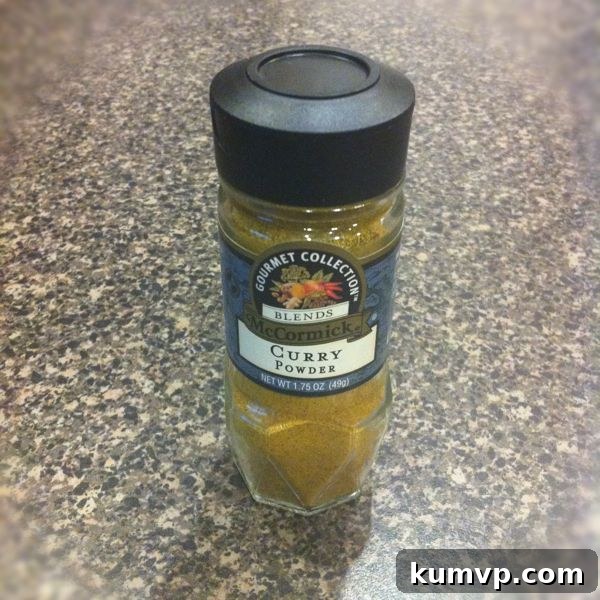
For many home cooks, the word “curry” conjures a vivid image: a vibrant yellow, saucy dish, rich with spices, perhaps simmering gently on the stovetop. And often, this mental picture is linked directly to that familiar jar of yellow powder tucked away in the pantry, a blend that sometimes sits slightly underutilized. If this resonates with your perception, you’re not alone. This common understanding of curry, while not entirely incorrect, only scratches the surface of a vast and fascinating culinary world. What if we told you that “curry” is an incredibly diverse concept, extending far beyond that single yellow blend? Prepare to embark on a journey that will demystify this powerful term and revolutionize your approach to a cornerstone of global cuisine. We’re about to uncover the true essence of curry and its ubiquitous powdered cousin.
Understanding the Broad Spectrum of “Curry”
The term “curry” itself is a remarkable umbrella, encompassing a breathtaking array of dishes, flavors, and culinary traditions from across the globe. While its roots are deeply intertwined with Indian, Pakistani, Bangladeshi, Sri Lankan, Thai, and other Southeast Asian cuisines, its adoption and interpretation have spread worldwide. The defining characteristic that unites these diverse preparations is not a single ingredient or a specific color, but rather the artful incorporation of complex combinations of aromatic spices and herbs. These blends almost invariably include fresh or dried hot chilies, contributing varying degrees of heat, though the intensity can range from mild and fragrant to fiercely fiery. Essentially, “curry” serves as a descriptor for a style of cooking that relies on intricate spice profiles to create dishes with profound depth and character.
Curries manifest in a myriad of forms, each offering a unique sensory experience. “Wet curries” are perhaps the most recognizable, characterized by their luscious sauces, often featuring stewed meats, vegetables, or legumes. These can range from creamy coconut-based Thai curries to rich, tomato-laden Indian masalas, and importantly, they aren’t always yellow. Their colors can vary dramatically, from deep reds and oranges to vibrant greens, depending on the ingredients and spices used. On the other end of the spectrum are “dry curries,” which forgo a prominent sauce in favor of a more concentrated spice flavor. These often involve ingredients sautéed or roasted with a spice mixture, resulting in dishes where the spices cling directly to the food, much like rubs found on savory kebabs or stir-fried vegetables. The beauty of curry lies in its boundless adaptability, with each regional cuisine boasting its own signature spice blends and cooking techniques, making the notion of a single, definitive “curry” fundamentally misleading.
Demystifying the Jar: What Exactly is Curry Powder?
Given the expansive definition of “curry,” it’s natural to wonder about that small jar of yellow powder labeled “Curry Powder” found in nearly every Western pantry. This common blend is, in essence, a standardized, commercialized interpretation of the complex spice mixtures used in many traditional curries. It’s designed to provide a convenient, accessible flavor profile that evokes the essence of curry for the everyday cook. While it doesn’t represent the full spectrum of global curry flavors, it serves as an excellent starting point and a versatile ingredient in its own right.
Historically, curry powder gained popularity during the British colonial era, as cooks sought to replicate the flavors of Indian cuisine with a single, easy-to-use blend. This means that most commercial curry powders are, in fact, a Western invention, though they draw heavily from Indian spice traditions. While discerning gourmets might prefer to grind their own fresh spices and create bespoke “house” curry blends, a pre-mixed jar of curry powder remains an invaluable tool. It’s perfect for those busy weeknights when you need to infuse a dish with exotic flavor quickly, transforming ordinary ingredients into something extraordinary without the need to stock an entire spice rack of individual components.
Common Ingredients and Regional Variations
The precise composition of curry powder can vary by brand and region, but a core set of spices forms its foundation. The most common ingredients include coriander, turmeric, cumin, fenugreek, and red pepper (or chili powder). Let’s delve into what each contributes:
- Coriander: Often the most abundant spice, lending a citrusy, slightly floral, and sweet note. It provides a crucial aromatic base.
- Turmeric: Responsible for curry powder’s distinctive yellow hue, turmeric also offers an earthy, slightly bitter, and warm flavor. More importantly, it’s packed with powerful health compounds.
- Cumin: Adds a warm, earthy, and slightly pungent flavor that is central to many South Asian dishes.
- Fenugreek: Contributes a unique, slightly bitter, and maple-like aroma, adding depth and complexity to the blend.
- Red Pepper (Chili Powder): Provides the heat element, with quantities adjusted to produce mild, medium, or hot curry powders.
Beyond these staples, many blends may also incorporate additional spices such as ginger, garlic powder, mustard seeds, cardamom, cloves, cinnamon, and even bay leaves, each contributing subtle nuances to the overall flavor profile. For instance, a “Madras” curry powder typically implies a hotter, more robust blend, while other regional variants might emphasize different aromatics or levels of heat. Understanding these components allows you to appreciate the complexity in that unassuming jar and even customize it further to suit your palate by adding extra spices. It’s a versatile foundation, ready to be enhanced and adapted.
The Remarkable Health Benefits of Curry Powder
Beyond its incredible flavor, curry powder is celebrated for its impressive array of health benefits, largely attributed to the potent properties of its constituent spices, particularly turmeric. For centuries, these spices have been integral to traditional medicine systems, and modern research continues to uncover their remarkable potential.
- Cognitive Boost and Neuroprotection: One of the most compelling benefits associated with curry powder, and turmeric specifically, is its potential to support brain health. Studies suggest that regular consumption may contribute to improved memory and offer protection against neurodegenerative diseases like Alzheimer’s. This is primarily due to curcumin, the active compound in turmeric, which has been shown to cross the blood-brain barrier and exert anti-inflammatory and antioxidant effects in the brain.
- Powerful Antioxidant Properties: Curry powder is a rich source of antioxidants. Curcumin, the naturally active pigment responsible for turmeric’s characteristic yellow color, is a particularly powerful antioxidant. Antioxidants are vital for neutralizing free radicals in the body, which can cause cellular damage and contribute to aging and various chronic diseases, including cancer. By combating oxidative stress, curry powder components help protect cells and promote overall health.
- Anti-inflammatory Agent: Inflammation is a natural bodily response, but chronic inflammation can lead to a host of health problems, from heart disease to arthritis. Curcumin is renowned for its potent anti-inflammatory properties, so much so that it’s found in some over-the-counter medications for arthritis relief. Including curry powder in your diet can help to reduce inflammation throughout the body, potentially alleviating symptoms of joint pain and other inflammatory conditions.
- Digestive Health: Many spices in curry powder, such as cumin and coriander, have traditionally been used to aid digestion. They can stimulate digestive enzymes, help alleviate bloating, and promote a healthy gut environment.
- Immune System Support: The synergistic effect of various spices in curry powder, rich in vitamins and minerals, contributes to strengthening the immune system, helping the body ward off infections and illnesses.
While curry powder is not a miraculous cure, its regular inclusion in a balanced diet offers a delicious way to harness these therapeutic benefits. It’s a testament to the fact that food can be both deeply satisfying and incredibly good for you.
Sources: Wikipedia, lifestyle.iloveindia.com
How to Unleash the Flavor: Creative Uses for Curry Powder
Now that we’ve peeled back the layers of mystery surrounding curry powder, the natural question arises: how can we best utilize that jar in the pantry? Its versatility is truly astounding, extending far beyond the traditional “curry” dish. Curry powder can transform everyday ingredients into culinary masterpieces, adding warmth, depth, and an exotic twist to countless recipes. Here are just a few ideas to inspire your cooking:
Elevating Everyday Dishes with a Dash of Curry
Curry powder is a fantastic flavor enhancer for a variety of meals. Consider adding it to:
- Marinades and Rubs: Sprinkle it generously over chicken, lamb, pork, fish, or even firm tofu before grilling, roasting, or pan-frying. It creates a beautiful crust and infuses the protein with aromatic notes. Try blending it with yogurt, garlic, and ginger for a tenderizing marinade.
- Dressings and Sauces: Whisk a pinch into your vinaigrettes for salads, or stir it into mayonnaise for a delightful sandwich spread or dip for fries. It pairs exceptionally well with creamy bases.
- Soups and Stews: A spoonful can deepen the flavor of lentil soups, vegetable stews, or creamy chicken and potato soups. Add it early in the cooking process to allow the flavors to meld.
- Roasted Vegetables: Toss root vegetables like carrots, sweet potatoes, or cauliflower florets with olive oil and curry powder before roasting for a caramelized, aromatic side dish.
- Grains and Rice: Stir it into plain white or brown rice as it cooks, or add it to couscous, quinoa, or pilafs for an instant flavor upgrade. It’s also excellent in fried rice.
- Eggs: Incorporate it into scrambled eggs, frittatas, or omelets for a surprisingly delicious breakfast or brunch. It also makes for an incredibly flavorful egg salad.
Inspiring Recipe Ideas Featuring Curry Powder
If you’re looking for specific recipes to put your curry powder to good use, these culinary creations offer a fantastic starting point, showcasing its adaptability and delicious potential:
Cassie, from Bake Your Day, masterfully combines the exotic warmth of curry with everyday ingredients in her Curried Sesame Veggies and Pasta recipe. This dish promises a harmonious blend of textures and flavors, where the curry powder beautifully complements the nutty sesame and fresh vegetables, making for a wholesome and exciting meal.
Cassie also showcases curry powder’s versatility in a light yet incredibly flavorful context with her Sweet Apple Chicken Sausage Salad with Pears and Feta. Here, curry powder forms the heart of a most delicious vinaigrette, lending a subtle warmth that beautifully balances the sweetness of apples and pears, the savory chicken sausage, and the tangy feta cheese. It’s an unexpected but delightful combination.
A personal favorite, this Curried Couscous recipe transforms simple couscous into an aromatic and flavorful side dish or light main. The curry powder infuses the tiny pasta grains with a golden hue and a complex, earthy taste, making it an ideal accompaniment to grilled meats or a delicious vegetarian option on its own.
Brenda, from A Farmgirl’s Dabbles, demonstrates how curry powder can enhance even familiar flavors in her summery Grilled Honey Mustard Chicken Kebab recipe. By incorporating curry powder into the marinade, she adds an unexpected layer of spice and warmth that elevates the classic honey mustard, creating perfectly caramelized and incredibly tender chicken skewers.
More Delicious Recipes Featuring Curry Powder:
- Creamy Curried Cauliflower from A Spicy Perspective: A comforting and richly flavored vegetarian side dish, where curry powder brings out the best in cauliflower, enveloped in a luscious creamy sauce.
- Thai Fried Rice from A Spicy Perspective: A quick and flavorful meal where curry powder adds an authentic, aromatic depth to stir-fried rice, vegetables, and protein.
- Coconut Curried Shrimp over Chickpeas from Bev Cooks: A vibrant and satisfying dish featuring tender shrimp in a fragrant coconut-curry sauce, served over protein-rich chickpeas.
- Healthy Shrimp Wrap with Curry Yogurt and Spinach from Cookin’ Canuck: A light and refreshing wrap with plump shrimp, fresh spinach, and a zesty curry-infused yogurt dressing.
- Curried Chicken Salad with Green Apples and Raisins from Feast on the Cheap: A classic with a twist, where curry powder adds warmth and complexity to a creamy chicken salad, balanced by crisp apples and sweet raisins.
- Curried Egg Salad from Three Many Cooks: Transform a simple egg salad into something extraordinary with the addition of curry powder, cilantro, shallots, and raisins for a burst of flavor.
- Red Lentil Soup with Ham and Curry from Creative Culinary: A hearty and aromatic soup, where curry powder complements the earthiness of red lentils and savory ham, creating a deeply satisfying meal.
- Curried Smashed Potatoes from White on Rice: Crispy on the outside and fluffy on the inside, these potatoes are taken to the next level with a flavorful curry seasoning.
Embrace the World of Curry
From the bustling streets of Mumbai to the serene kitchens of Thailand, “curry” signifies a culinary philosophy built on the mastery of spices. While the jar of curry powder in your pantry is a convenient and versatile tool, it represents just a single, albeit delicious, facet of this expansive culinary universe. By understanding its origins, common ingredients, and diverse applications, you can unlock a world of flavor and elevate your everyday cooking. Embrace its health benefits, experiment with its incredible versatility, and allow its warm, aromatic notes to inspire your next kitchen adventure.
Do you like to use curry powder in your cooking? What are your favorite ways to incorporate this versatile spice blend into your meals? Share your culinary secrets with us!
Eager to delve deeper into the fascinating world of spices? Expand your culinary knowledge by exploring our first Spice Kitchen post on cumin seed here.