Embracing Spring: A Journey into Our Thriving Herb Garden
The unmistakable feeling has finally arrived. Spring Fever has officially taken hold, and I couldn’t be more delighted. For weeks, I’ve been eagerly anticipating this seasonal shift, even growing a little concerned that the warmer weather might bypass us entirely. February, often the harbinger of spring’s gentle whispers, felt like a blur, characterized by erratic temperature swings – one day soaring into the high 90s, the next dipping back to a cool 65 degrees. While I generally refrain from complaining about our climate, especially knowing many of you are still navigating snow-covered landscapes, I hope the vibrant greens and fresh beginnings showcased in this post bring a welcome splash of spring to your day.
This morning, after dropping off the kids, my spontaneous decision led me straight to Lowe’s, marking the official commencement of our herb garden’s much-needed revival. It wasn’t on the day’s agenda, but a powerful instinct beckoned me outdoors, a longing to reconnect with the earth and immerse myself in the simple joy of playing in the dirt. There’s something incredibly therapeutic about fresh air and soil between your fingers, a grounding experience that truly signals the start of a new season. And so, with a renewed sense of purpose and a heart full of anticipation, I returned home with an armful of promising new additions, ready to breathe new life into our garden space.
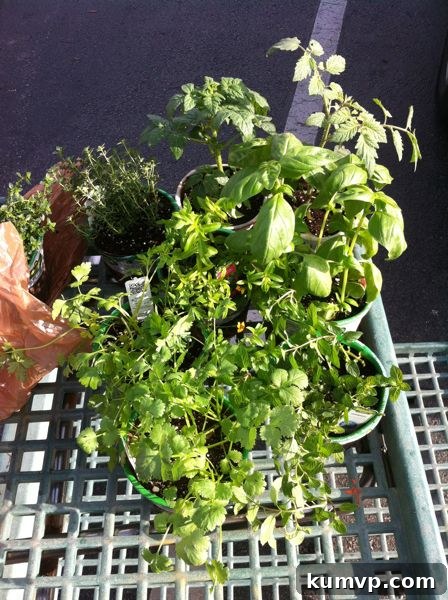
My basket of botanical treasures included an exciting array of herbs: aromatic flat leaf parsley, fragrant cilantro, versatile basil, savory tarragon, earthy thyme, and even a surprise peppermint plant – a delightful accident that promises future refreshing beverages! Beyond the herbs, I also brought home two essential additions for our culinary adventures: one vibrant grape tomato plant and a sweet cherry tomato plant. Today’s mission was clear: thoroughly assess any winter damage, lovingly spruce up our resilient survivors, meticulously clear out any dead foliage and persistent weeds, and finally, give our new green friends a welcoming home.
Nurturing the Resilient: Our Garden’s Indomitable Survivors
Before diving into new plantings, it’s essential to celebrate the unwavering spirit of our garden’s veterans. These incredible plants demonstrate a remarkable, almost unconditional love, year after year. Despite months of neglect, where even a passing glance or a simple greeting was often overlooked, they continue to thrive, offering a beacon of hope for a truly tasty and abundant spring. Their sheer resilience and determination to push through the colder months serve as a beautiful reminder of nature’s enduring power and generosity.
Mint: The Unkillable Wonder
Hello, glorious mint! This verdant survivor consistently defies expectations. It’s truly impossible to eradicate mint entirely; just when you believe it has succumbed to the elements, feeling a pang of guilt, it begins to emerge again, popping up with surprising vigor – often in the most unexpected places. Its tenacious growth is a gardener’s delight and sometimes a mild challenge! I am eagerly anticipating its full resurgence, knowing that its lush leaves are the key ingredient for refreshing mojitos and invigorating iced teas. To manage its exuberant nature, consider planting mint in a container or a dedicated area where its spreading roots can be contained, preventing it from taking over other garden beds. Regular harvesting not only keeps it in check but also encourages bushier growth, ensuring a continuous supply of this fragrant herb.
Rosemary: A Resilient Evergreen
Rosemary, goodness gracious, it was certainly due for a significant trimming! This robust rosemary bush has been a steadfast resident in my garden for many years, thriving effortlessly through our mild Florida winters directly in the ground. It requires very little intervention from me, a true testament to its hardiness. However, today, it received a much-deserved haircut. The trimmed branches won’t go to waste; I plan to dry them out and transform them into homemade dried rosemary – a first-time endeavor for me, and one I’m quite excited about. Dried rosemary retains much of its pungent, piney flavor and can be used to season roasted meats, vegetables, or even baked goods. Regular pruning keeps the plant healthy, encourages new growth, and prevents it from becoming woody and leggy, ensuring a continuous supply of fragrant sprigs for your culinary creations.
Parsley: A Pleasant Surprise
During my garden assessment, I stumbled upon this lovely bunch of parsley growing quite vigorously in a rather random spot in the ground. It was a delightful surprise! Recognizing its potential, I carefully transplanted it into a pot, hoping it will continue to thrive in its new, more intentional home. Parsley is a versatile herb, packed with flavor and nutrients, perfect for garnishing, adding freshness to salads, or enhancing the taste of countless dishes. Both flat-leaf (Italian) and curly parsley varieties are relatively easy to grow, preferring moist, well-drained soil and partial to full sunlight. Consistent harvesting of outer leaves encourages continuous production, providing a steady supply of this culinary staple throughout the growing season.
Chives: Thriving and Dividing
Our enormous chives plant, a stalwart in the garden for several years, had long outgrown its pot – probably about two years ago, to be precise! It was an absolute jungle, bursting with vibrant green, oniony goodness. Today, I undertook the delicate task of carefully dividing it into two separate, flourishing plants. As I worked, I almost imagined hearing the plant take a deep, grateful breath, thanking me for alleviating its overcrowding. Dividing overgrown perennials like chives not only rejuvenates the plant but also provides you with more plants to expand your garden or share with friends. Chives are incredibly easy to grow and maintain, offering a mild onion flavor perfect for salads, eggs, soups, and various savory dishes. They also produce beautiful purple flowers that are edible and attract pollinators.
Our Budding Citrus Tree: Key Lime/Meyer Lemon
I was genuinely surprised and absolutely thrilled to discover delicate flowers blooming on this little guy! This is our key lime/meyer lemon tree, a cherished addition to the garden for about three years now. Witnessing these blossoms fills me with immense hope and excitement, as I truly envision seeing fruit on its branches one day. The journey of growing citrus can require patience, but the prospect of fresh, homegrown limes or lemons is incredibly rewarding. “Grow baby grow!” is my constant encouragement to this promising tree. Ensuring it receives ample sunlight, consistent watering, and proper fertilization will greatly increase its chances of producing fruit. Citrus trees also benefit from protection during colder temperatures, although our mild winters generally allow them to flourish.
Another incredible survivor, though I didn’t manage to snap a picture today, is our culantro. This particular culantro plant was a thoughtful gift from a neighbor when I first moved into my house six years ago, and it has been a consistent performer ever since. Culantro shares many similarities with cilantro in flavor, but it boasts a more intense, robust profile. Its leaves are distinctively blade-like, and with constant harvesting, it grows with astonishing vigor. If you ever come across culantro at a nursery or market, I highly recommend picking some up; it is absolutely perfect for crafting authentic, flavorful homemade salsa and a staple in many Latin American and Caribbean cuisines.
Planting Fresh Flavors: Tomatoes, Sage, and Basil
Growing Tomatoes in Containers: A Beginner’s Guide
I’ve discovered that smaller varieties of tomatoes, such as delightful grape and sweet cherry tomatoes, perform exceptionally well when grown in generously sized containers. If you’re just embarking on your gardening journey and prefer to keep your plants contained, I wholeheartedly recommend starting with one of these manageable tomato plants. The key to their success lies in providing ample space for root development. You’ll want to procure the biggest plastic pot you can find – ideally, one that is at least 18-24 inches in diameter and depth. Fill this container with a high-quality potting mix, ensuring good drainage.
Once your pot is prepared, dig a deep, accommodating hole in the center. Carefully place your tomato plant into this hole, burying it quite deeply so that roughly 80% of the stem is covered with soil. Yes, some lower leaves will be beneath the dirt, and this is perfectly fine! This practice encourages the stem to develop additional roots, creating a stronger, more robust root system that will support vigorous growth and fruit production. Tomatoes thrive when their roots can establish deeply. Furthermore, while your plant is still small, it’s crucial to install a tomato cage. Trying to maneuver one around a sprawling, mature plant is a frustrating and often damaging endeavor. Installing it early provides essential support as the plant grows, preventing it from collapsing under the weight of its fruit. Remember to provide consistent watering, especially as the weather warms and the plant begins to fruit, and position your container in a spot that receives at least 6-8 hours of direct sunlight daily for optimal yield. Regular feeding with a balanced fertilizer will also boost their health and productivity.
Alongside our tomatoes, other new herbs like sage and basil also found their new homes today. Sage, with its velvety leaves and earthy aroma, is a wonderful addition for culinary uses, especially with poultry and roasted vegetables. Basil, a cornerstone of Italian cuisine, thrives in warm weather and offers a sweet, peppery flavor that’s incomparable fresh. Both will benefit from generous sunlight and well-drained soil, promising an abundance of fresh flavors for upcoming meals.
A Satisfying Day’s Work: Our Garden’s Fresh Start
And with that, all the crucial tasks for today are complete! The garden has been lovingly tended, showing the satisfying results of a day spent immersed in nature. From assessing the winter’s impact to celebrating the endurance of our beloved survivors, and finally, carefully planting our hopeful new additions, every step has been a joy. The air now feels fresher, and the garden beds look revitalized, brimming with potential and the promise of future harvests. There’s an immense sense of accomplishment that comes from working with the earth, transforming a neglected space into a vibrant tapestry of green. This revitalized garden is now perfectly poised to flourish, providing not just fresh ingredients for our kitchen but also a peaceful sanctuary for mind and spirit.
Looking Ahead: The Next Steps in Our Gardening Journey
With today’s essential tasks concluded, our gardening agenda continues to evolve. Up next, we’ll be focusing on expanding our vegetable patch further, perhaps incorporating some colorful peppers or leafy greens to complement our thriving herb and tomato collection. The beauty of gardening is its continuous cycle of planning, planting, nurturing, and harvesting. Each season brings new opportunities and lessons, making it an endlessly rewarding pursuit. We’re excited to watch these new plants grow, develop, and eventually provide us with fresh, organic produce right from our backyard.
Further Garden Inspiration: Explore Last Year’s Adventures
For those interested in delving deeper into our gardening journey and seeking more inspiration, I invite you to explore our previous posts from last year. They offer a glimpse into the ongoing evolution of our backyard oasis and answer some frequently asked gardening questions:
- The Backyard Garden: A Foundation for Growth
- Gardening Tour and Questions: Insights and Tips