The Unexpected Delight of Gazpacho: From Cold Soup Skeptic to Summer Soup Enthusiast
That opportunity arrived when Gazpacho was chosen as one of this month’s featured recipes for the Barefoot Bloggers group. This exciting selection was made by Meryl of My Bit of Earth, and I must admit, a familiar internal debate sparked within me. On one hand, I recognized this as a fantastic, almost inevitable chance to finally tackle a classic summer dish, one universally celebrated for its vibrant flavors and refreshing qualities. On the other, that lingering apprehension about cold soups resurfaced, casting a tiny shadow of doubt. I found myself engaged in a mental tug-of-war: “Why wouldn’t I embrace it? It’s fundamentally crafted from an abundance of the freshest, most sun-ripened vegetables, and it promises to be incredibly simple to whip up using nothing more than a food processor or a blender. What’s not to love about that?” Then, with an almost audible sigh, the self-limiting thought would return, “Ah, yes… because it’s *cold* soup.”
However, let me share a profound truth I learned that day: stepping outside your culinary comfort zone can lead to the most unexpectedly delightful revelations. The very first spoonful of this homemade Gazpacho was a moment of pure, unadulterated pleasure, completely dissolving my long-held skepticism. I absolutely loved this Gazpacho! I was not just pleasantly surprised; I was genuinely astonished by its incredible depth of flavor, its invigorating chill, and its sheer, undeniable deliciousness. It was more than a mere meal; it was a revelation that completely transformed my entire perception of what a cold soup could be.
A Journey into Ina Garten’s Gazpacho: Classic Foundations with a Personal Twist
My culinary adventure began with the venerable recipe by Ina Garten, the esteemed Barefoot Contessa, whose formula can be conveniently accessed here. Ina’s approach to cooking is legendary, known for combining sophisticated flavors with an elegant simplicity that makes her dishes remarkably approachable for home cooks. Her Gazpacho recipe, a testament to her philosophy, emphasizes fresh, high-quality ingredients as the cornerstone of its success. While I meticulously adhered to the fundamental structure of her recipe, I made a couple of strategic and pragmatic adjustments, primarily based on the ingredients I had readily available in my pantry.
Instead of seeking out fresh red bell peppers, I opted for jarred roasted red peppers. This substitution proved to be a stroke of genius, not only saving me precious prep time but also infusing the soup with a wonderfully smoky undertone and a richer, more concentrated sweetness. This subtle modification added an extra layer of complexity that I found incredibly appealing, complementing the vibrant freshness of the other vegetables perfectly.
Inspired by a recent, visually stunning, and truly inspiring Gazpacho post from the Pioneer Woman, I decided to incorporate some fresh zucchini into my blend. Zucchini, with its mild flavor and high water content, added a beautiful smoothness and a slightly more substantial body to the soup without overwhelming the primary flavors. Furthermore, given my passion for gardening and the bounty it provides, I couldn’t resist plucking a vibrant jalapeño directly from my garden. This little addition, alongside a generous squeeze of fresh lime juice, introduced a delightful, subtle kick of heat that was expertly balanced by the zesty, bright acidity of the lime. These personal touches weren’t just random additions; they were carefully considered enhancements that, I believe, elevated the Gazpacho to a new level of bespoke deliciousness.
Navigating Texture: Blender vs. Food Processor for the Perfect Consistency
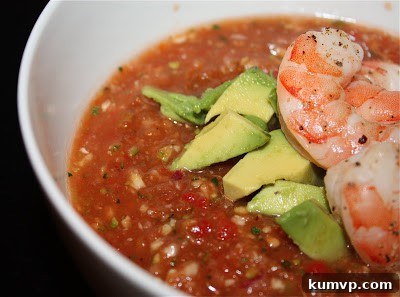
While the harmonious blend of flavors in my Gazpacho was, in my humble opinion, nothing short of perfection, I must confess that I initially envisioned a soup with a slightly more rustic, chunky texture. However, a significant practical limitation presented itself: the absence of a large food processor in my kitchen (a regrettable oversight I am determined to rectify soon!). This meant I had to rely solely on my standard blender, which, while capable, tends to create a smoother, more puréed consistency.
As a result, my Gazpacho leaned more towards the silken than the chunky, a texture that, despite my initial preference, proved to be incredibly luxurious and enjoyable. For those who, like my initial self, favor a more textured soup, I offer a crucial tip: invest in a good-quality large food processor. This allows you to pulse the ingredients, giving you greater control over the consistency. Alternatively, if a blender is your only option, consider blending in smaller batches, or even reserving a portion of the finely diced vegetables to stir back into the puréed soup at the very end. This technique provides that satisfying textural contrast without compromising on flavor.
For dinner, I savored a generous, chilled bowl of this remarkable Gazpacho, turning it into a truly satisfying and well-rounded meal by pairing it with creamy, freshly chopped avocado and perfectly roasted shrimp. The rich, buttery notes of the avocado provided a delightful counterpoint to the soup’s tangy brightness, while the savory, tender shrimp transformed it from a mere appetizer into a wholesome and fulfilling main course. This entire experience was more than just a meal; it was a profound confirmation of how rewarding it can be to challenge one’s own culinary assumptions, opening the door to new and exciting taste sensations.
Unpacking the Allure of Gazpacho: History, Health, and Versatility
Gazpacho, with its rich history originating from the sun-drenched region of Andalusia in Southern Spain, is far more than just a chilled vegetable soup; it represents a vibrant culinary tradition and a celebration of summer’s peak bounty. Its roots trace back centuries, evolving from a simple, nourishing peasant dish – often made with stale bread, garlic, olive oil, and water – to the iconic tomato-based concoction we recognize today. Its journey from humble origins to a globally revered delicacy is a testament to its enduring appeal and adaptability.
The core beauty of Gazpacho lies in its delightful simplicity and its incredible health benefits. It’s essentially a liquid salad, bursting with vitamins, minerals, and antioxidants from its primary ingredients: ripe tomatoes, crisp cucumbers, colorful bell peppers, pungent onions, and aromatic garlic. The addition of good quality olive oil contributes healthy fats, while its high water content makes it incredibly hydrating and refreshing, particularly beneficial during the sweltering heat of summer. It’s a perfect choice for those seeking a light, energizing, and nutrient-dense meal without the need for cooking over a hot stove.
Beyond the classic red Gazpacho, the Spanish culinary landscape offers a fascinating array of variations. Take Ajoblanco, for instance, a “white gazpacho” crafted from almonds, bread, garlic, and grapes, offering a creamy, nutty, and subtly sweet experience. Then there’s Salmorejo, a thicker, more velvety version often enriched with breadcrumbs and typically served with finely diced Iberian ham and hard-boiled eggs. These variations highlight the versatility of the “cold soup” concept and invite further exploration into the diverse world of Spanish cuisine. Gazpacho truly excels as an an appetizer, a refreshing side dish, or a light main course, making it a truly versatile addition to any summer menu.
Essential Tips for Crafting Your Best Homemade Gazpacho
Embarking on the creation of your own homemade Gazpacho is a wonderfully rewarding experience. To ensure your soup is not just good, but truly spectacular, consider these essential tips:
- Prioritize Peak Freshness: The flavor of your Gazpacho is directly proportional to the quality and ripeness of your ingredients. Always opt for the freshest, in-season tomatoes, crispest cucumbers, and most vibrant bell peppers available. Farmers’ markets are your best friend for this!
- Allow for Ample Chilling: Gazpacho is undeniably at its best when served thoroughly chilled. After blending, allow your soup to rest in the refrigerator for at least 2 to 4 hours, or ideally, overnight. This crucial chilling period allows all the wonderful flavors to meld, deepen, and truly harmonize.
- Master the Art of Seasoning: Don’t be shy about tasting and adjusting! A well-balanced Gazpacho should exhibit a delightful interplay of acidity (from vinegar or lime juice), natural sweetness (from perfectly ripe tomatoes), and a nuanced hint of spice if that’s to your liking. Adjust salt, freshly cracked black pepper, and a generous swirl of high-quality extra virgin olive oil until it sings on your palate.
- Embrace Creative Garnishes: Garnishes are not merely decorative; they add vital layers of texture, color, and complementary flavors. Think finely diced cucumber, colorful bell peppers, red onion, fresh herbs like cilantro or basil, crunchy homemade croutons, or an extra drizzle of your finest olive oil. For a touch of creamy indulgence, a dollop of Greek yogurt or a swirl of crème fraîche can be exquisite.
- Understand Your Equipment: As I discovered firsthand, the tool you use for blending significantly influences the final texture. For an ultra-smooth, velvety soup, a high-powered blender is your best companion. If you yearn for a more rustic, chunky consistency, a large food processor allows you to pulse ingredients, giving you precise control. Alternatively, combine techniques by blending most of the soup and then stirring in a portion of finely diced vegetables at the end.
Join the Barefoot Bloggers Community for More Culinary Inspiration
This entire Gazpacho experience was a profound and welcome reminder that our palates are dynamic and ever-evolving. Sometimes, the greatest culinary joys are discovered when we muster the courage to try something new, even if it initially seems to defy our established preferences. From a staunch cold soup skeptic, I have now been unequivocally converted into an enthusiastic advocate for this vibrant, incredibly refreshing, and utterly delicious summer staple. I urge you to give it a try – you might just surprise yourself with how much you love it!
For those eager to recreate this delightful dish, Ina’s Gazpacho recipe, which served as the cornerstone for my own incredible rendition, can be found in The Barefoot Contessa Cookbook, or conveniently accessed here on Food Network’s official website.
Check out the Barefoot Bloggers for more versions of this great recipe!