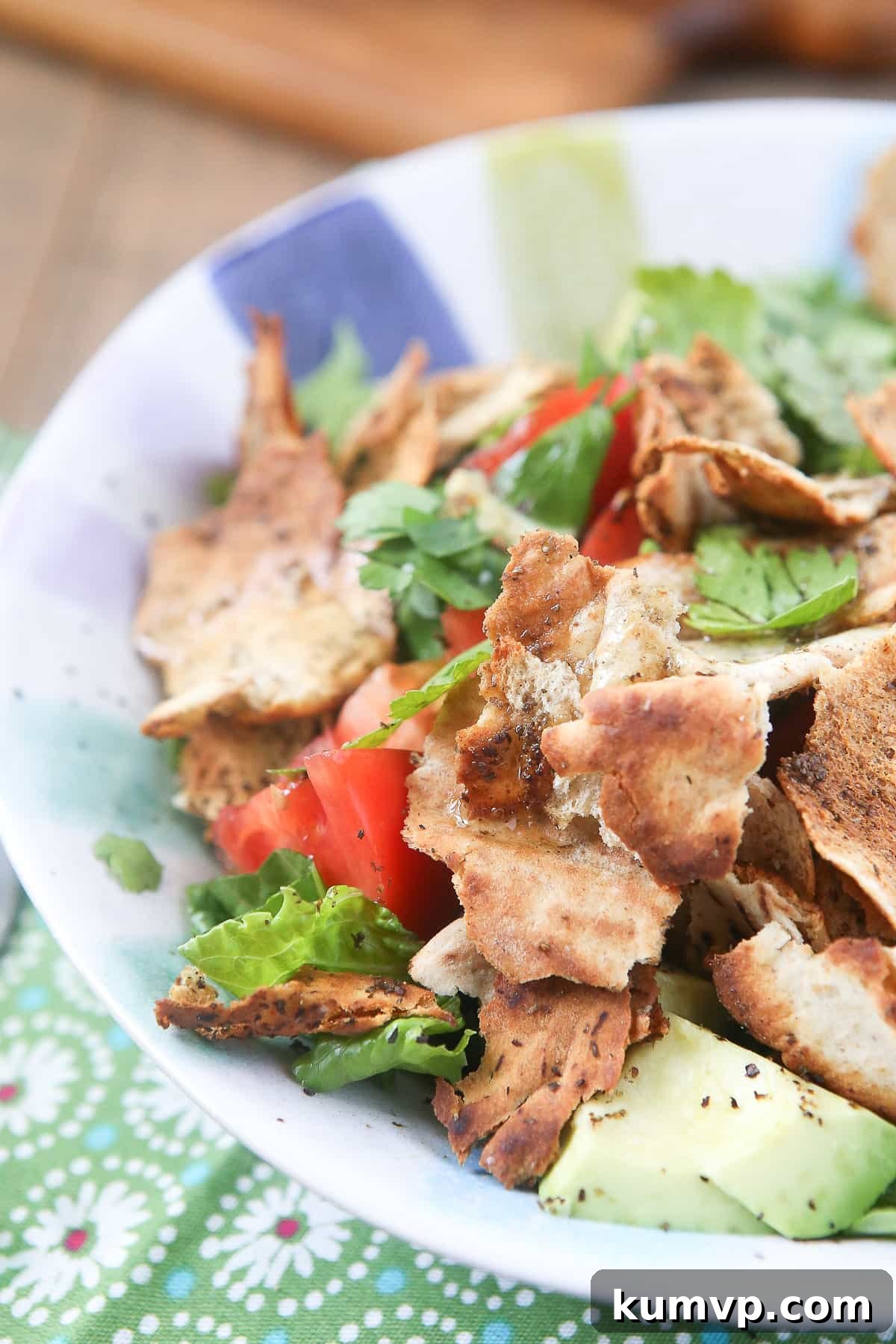
Embark on a culinary journey with this delightful Lebanese-inspired Fattoush Salad, a vibrant symphony of fresh garden vegetables, aromatic herbs, and irresistibly crunchy toasted pita pieces, all brought together with a bright lemon and olive oil dressing. This isn’t just a salad; it’s an experience that awakens the senses and nourishes the soul.
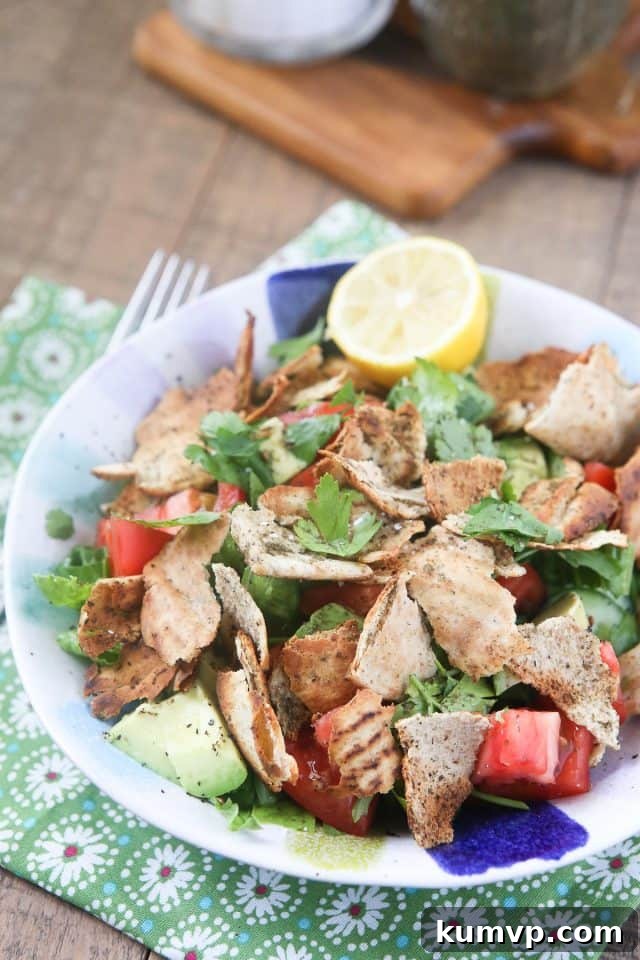
Discovering the Delight of Fattoush Salad: A Culinary Revelation
When I first encountered Fattoush Salad, it felt like uncovering a culinary treasure. The sheer abundance of fresh, crisp vegetables combined with the unexpected yet utterly satisfying crunch of seasoned, toasted pita bread scattered throughout the greens – it truly elevates the humble salad to something extraordinary. For many, a salad isn’t quite complete without that delightful textural contrast, and I confess, I share a similar weakness. While I often lean towards nuts for a healthier crunch, the discovery of toasted whole wheat pita in this traditional Middle Eastern salad presented a game-changing alternative. The Joseph’s brand, in particular, has become a staple in my pantry for achieving that perfect golden crispness.
Fattoush is more than just a mix of greens; it’s a testament to the simplicity and vibrancy of Mediterranean cuisine. Originating from the Levant region, it traditionally utilizes stale pita bread, giving it a new life as a crispy, flavorful component. This ingenious use of ingredients, combined with the freshest seasonal produce, makes Fattoush a beloved staple and a perfect example of a wholesome, satisfying dish. Each bite offers a harmonious blend of textures and flavors, from the juicy tomatoes and cool cucumbers to the pungent green onions and the refreshing burst of fresh mint and parsley.
Embracing Adaptability: My Spin on a Traditional Favorite
While my rendition of Lebanese Fattoush Salad might not adhere strictly to every traditional nuance, it captures the essence and spirit of this beloved dish. Many authentic recipes call for sumac, a dark red spice known for its distinctive tangy, lemony flavor. Although I didn’t have sumac readily available on this occasion, I opted for za’atar, a fragrant Middle Eastern spice blend that often includes sumac, alongside dried thyme, oregano, marjoram, and toasted sesame seeds. This substitution not only delivered a wonderful aromatic depth but also imparted that signature zesty brightness critical to Fattoush.
The beauty of cooking lies in its adaptability, allowing us to create delicious meals with what we have on hand. Whether made with a purist’s adherence to tradition or with a personal twist, this salad remains one of my absolute favorites. The za’atar spice blend I use comes highly recommended by my friend Liz, a seasoned culinary expert, whose advice on pantry staples has always proved invaluable. This spice not only complements the freshness of the vegetables but also adds a layer of earthy, herbaceous notes that elevate the entire dish, proving that a slight deviation from tradition can still lead to an incredibly authentic and satisfying result.
The Irresistible Crunch: Perfectly Toasted Pita
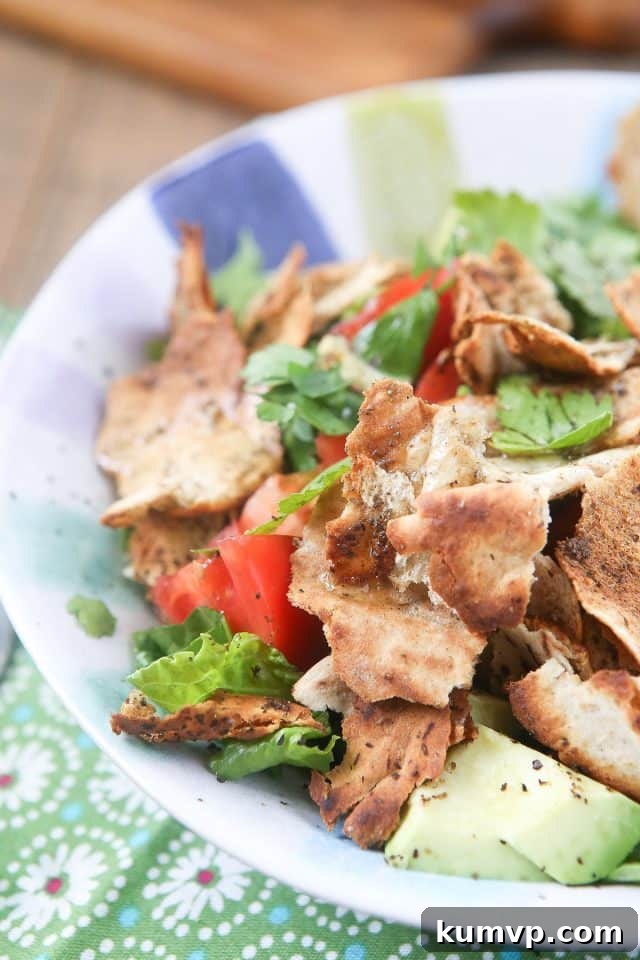
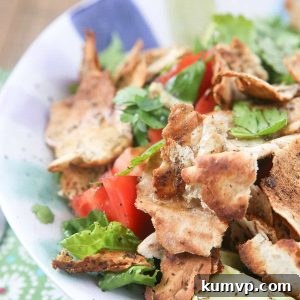
Just cast your eyes upon that perfectly toasted pita! It’s not merely a garnish; it’s a star ingredient, offering a textural contrast that transforms the salad from good to extraordinary. The golden-brown pieces, seasoned and lightly fried or baked, absorb the dressing’s flavors while maintaining their satisfying crispness. This element is truly what sets Fattoush apart and makes it so utterly addictive.
Simplicity in Dressing: The Power of Lemon and Olive Oil
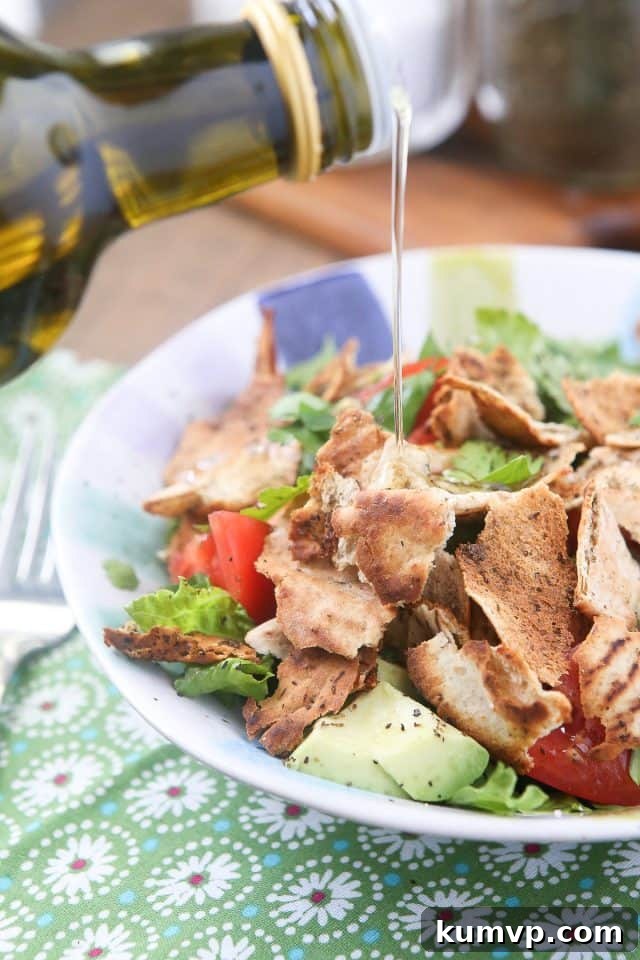
Another profound reason for my deep affection for this salad is its beautifully simple yet profoundly flavorful dressing. It requires nothing more than high-quality lemon juice and extra virgin olive oil, perhaps with an additional sprinkle of za’atar for good measure. This minimalistic approach allows the natural flavors of the fresh ingredients to shine through, creating a clean, invigorating taste that is both refreshing and deeply satisfying. The acidity of the lemon brightens every component, while the richness of the olive oil provides a smooth, luxurious finish, creating a dressing that is effortlessly elegant and incredibly effective.
Inspired Creations: From Cookbooks to Your Kitchen
My latest inspiration to create this particular Fattoush Salad stemmed from a recipe I encountered in one of my newest cookbook acquisitions this summer: LEON Happy Salads. I first discovered this exceptional series of cookbooks last year and also proudly own another title from the collection. I absolutely adore them for their innovative yet approachable recipes and stunning photography. While I didn’t follow the recipe precisely, I embraced the spirit of the dish, utilizing the fresh ingredients I had readily available in my kitchen, which is often the best way to cook – with intuition and a dash of creativity.
The LEON Happy Salads cookbook is seriously charming, packed with both timeless classics and ingenious, contemporary salad recipes that cater to various tastes and occasions. It encourages a fresh perspective on salads, transforming them from mere side dishes into exciting, wholesome meals. The presentation alone is inspiring, making you want to dive into the kitchen and start chopping. This particular book has reignited my passion for salad making, reminding me of the endless possibilities when combining fresh produce and thoughtful seasonings.

Crafting Your Perfect Fattoush: Tips and Tricks
Creating a truly memorable Fattoush Salad is all about fresh ingredients and a few simple techniques. When selecting your vegetables, aim for the freshest possible produce – crisp romaine, firm cucumbers, vibrant green onions, and fragrant bundles of parsley and mint. These fresh herbs are non-negotiable; they infuse the salad with its characteristic brightness and Middle Eastern essence. For the pita, choose a good quality bread, and ensure it’s broken into bite-sized pieces for even toasting and easy eating. Don’t be shy with the za’atar when seasoning the pita; it adds a fantastic savory depth. For the dressing, always use fresh lemon juice – bottled juice simply won’t deliver the same vibrant tang. And invest in a good quality extra virgin olive oil; its flavor is foundational to the dressing.
To ensure your salad stays crisp, combine the vegetables and herbs just before serving. The dressing should also be added at the last minute to prevent the greens from wilting. Toss everything gently but thoroughly, ensuring every piece is coated in that delightful lemony-olive oil mixture. The pita crisps are best added right before serving to maintain their crunch. This salad is not only delicious but also incredibly versatile; you can add diced tomatoes, radishes, or even bell peppers for more color and flavor. It makes a wonderful light lunch, a refreshing side dish, or a fantastic addition to any mezze platter.
More Salad Inspiration for a Flavorful Weekend
I sincerely hope you all have a wonderful weekend filled with delicious food and joyful moments! If you find yourself in the mood for crafting a beautiful salad this weekend, I highly recommend exploring some other fantastic options from the archives. My Spinach Salad with Peaches and Gorgonzola offers a delightful sweet and savory contrast, perfect for late summer or early fall. Alternatively, for something with a bit more zing, the Tangy Mustard Broccoli Slaw with Mango provides a refreshing and vibrant crunch. And for those seeking a heartier salad that can stand alone as a complete meal, this Baked Chicken Greek Salad with Avocado looks incredibly appealing and satisfying, promising a burst of Mediterranean flavors with creamy avocado.
No matter which salad you choose, the act of preparing and enjoying fresh, wholesome ingredients is a rewarding experience. Fattoush Salad, with its layers of flavor and texture, is a testament to how simple components can create something truly spectacular. Enjoy the process, savor the flavors, and share the joy of good food with those you love!
Print Recipe
Classic Fattoush Salad Recipe
Yield: serves 2-3
Ingredients:
- 1 small pita bread (whole wheat preferred, like Joseph’s Pita brand)
- 2 tablespoons extra virgin olive oil (for frying pita)
- 1/2 teaspoon za’atar spice blend (plus more for dressing, if desired)
- 1 head romaine lettuce heart, thoroughly washed and chopped
- 1/2 seedless cucumber, finely diced
- 2 green onions (scallions), thinly sliced
- 1/4 cup fresh parsley, finely chopped
- 2 tablespoons fresh mint leaves, finely chopped
- Coarse sea salt and freshly ground black pepper, to taste
- Juice of 1/2 to 1 fresh lemon (adjust to your preference)
- 2-3 tablespoons high-quality extra virgin olive oil (for dressing)
- Optional additions: 1-2 ripe tomatoes, diced; 1/2 cup radishes, thinly sliced
Instructions:
- Begin by preparing the crispy pita. Heat 2 tablespoons of olive oil in a small skillet over medium heat. Break the pita bread into small, bite-sized pieces and add them to the hot skillet. Sprinkle generously with 1/2 teaspoon of za’atar. Fry for 3-5 minutes, turning occasionally, until the pita pieces are beautifully browned and delightfully crisp. Remove from heat and set aside to cool.
- While the pita cools, prepare your salad base. In a large mixing bowl, combine the chopped romaine lettuce, diced seedless cucumber, sliced green onions, finely chopped fresh parsley, and fresh mint.
- To dress the salad, sprinkle the combined vegetables with coarse salt and freshly ground black pepper. Squeeze the fresh lemon juice generously over the salad, then drizzle with 2-3 tablespoons of high-quality extra virgin olive oil. Toss all the ingredients gently until they are well combined and evenly coated with the dressing. Taste and adjust seasoning as needed, adding more lemon, salt, or pepper to your preference.
- Divide the vibrant salad evenly into two or three serving plates or bowls. Just before serving, scatter the cooled, crispy za’atar pita crisps over the top of each portion. Serve immediately and enjoy the delightful medley of fresh flavors and textures!
Recipe inspired and slightly adapted from LEON Happy Salads cookbook, with personal touches for enhanced flavor.
Follow AggiesKitchen on Instagram and share your culinary creations with us! We’d love to see what delicious recipes you’re making from the blog. Use the hashtag #aggieskitchen to connect with our community and show off your cooking prowess!