Gardening, I’m discovering, is a profound journey of continuous learning, challenging me to become more observant, resourceful, and, indeed, smarter. What begins as a delightful exploration of vibrant plants and seeds, a joyful dalliance in the soil with new gloves, and the simple pleasure of watching a tiny bud blossom, quickly evolves into something far more intricate. The initial charm soon gives way to a more pragmatic and sometimes frustrating reality, as one encounters the inevitable hurdles that nature throws our way. Suddenly, the serene picture is interrupted by inexplicable holes in basil leaves, a perplexing white powdery film dusting zucchini plants, or the unsettling discovery that entire beds of spinach and Swiss chard have vanished overnight, leaving behind only remnants of a feast for unknown munching creatures on my precious lettuce. This current phase of my gardening adventure is less about picturesque planting and more about strategic defense – a period I’ve come to label as “defensive gardening.”
Navigating the Joys and Jitters of Home Gardening
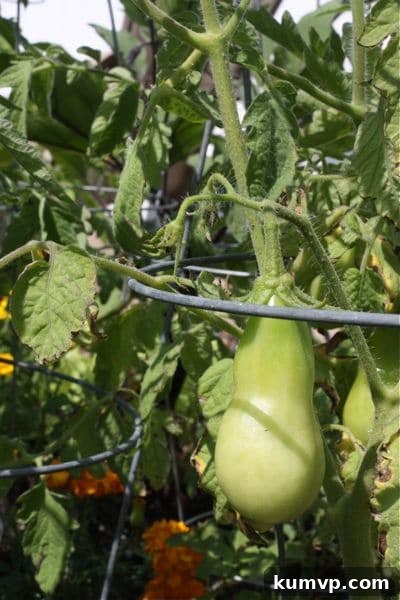
Despite the occasional setback and the ongoing battle against unseen forces, my garden is far from a tale of woe. In fact, there’s an abundance of success and beauty thriving within these beds. Take, for instance, my container tomato plants, a true testament to the rewarding nature of cultivating your own produce. I have both a grape and a cherry tomato plant, each laden with promising green fruits, growing vigorously and reaching for the sun. The sight of these robust plants, bursting with potential, is an undeniable source of pride and motivation. Their resilience and steady growth are a constant reminder of the simple yet profound satisfaction that comes with nurturing life.
The Mystery of Garden Pests: Friend or Foe?
However, the tranquility of my tomato patch was recently disturbed by an intriguing discovery. While admiring the burgeoning fruit, I spotted an unfamiliar guest. Perched delicately on a leaf was a caterpillar, unlike the infamous Tomato Hornworm I encountered last year. That beast, a true monster of the garden, with its intimidating size and voracious appetite, left no doubt about its destructive intentions. I recall its terrifying appearance from last season, a creature more akin to a horror movie prop than a garden pest, capable of decimating tomato plants in mere days. In contrast, this new visitor appears rather unassuming, almost innocent. He seems to be minding his own business, causing no apparent harm, but the lingering question remains: is he a friend or a potential foe? Identifying garden insects is a crucial step in integrated pest management, determining whether to welcome them as beneficial allies or to gently, yet firmly, relocate them.
(Unidentified Garden Insect #1)
This is where the collective wisdom of the gardening community becomes invaluable. Can this quiet little creature stay? Does anyone recognize him or understand his role in the garden ecosystem? The delicate balance between allowing nature to take its course and intervening for the health of my plants is a lesson I’m actively learning.
A Grand Tour of the Main Garden Bed
Moving on from the individual mysteries, let’s turn our attention to the main garden bed, which has undergone a remarkable transformation since its humble beginnings. It’s hard to believe how much it has flourished. If you recall, this is how it all started, a scene that now feels like a distant memory compared to the lush vibrancy it exhibits today. It was quite a sight back then, but the current state fills me with immense pride.
Managing Zucchini’s Enthusiasm and Other Plant Progress
One aspect that has truly exceeded expectations is the growth of my zucchini plants. Those who warned me that zucchini would take over were absolutely not kidding! They have become incredibly plush and expansive, threatening to overshadow their neighbors. To manage their enthusiastic sprawl and prevent them from smothering my emerging pepper plants, I’ve installed some thin wire fencing. It’s a subtle intervention, but crucial for maintaining order and ensuring that all plants receive adequate sunlight and air circulation. This aggressive growth habit is a classic example of why proper spacing and planning are paramount in garden design, lessons often learned through hands-on experience.
Within this dynamic main bed, a variety of wonderful produce is making excellent progress:
- **Jalapenos:** These fiery little peppers are coming along beautifully, promising a spicy harvest.
- **Japanese Eggplant:** The elegant Japanese eggplant plants are growing strong, with delicate purple blossoms hinting at future harvests.
- **Mixed Lettuces:** My mixed lettuces, despite some earlier nibbling, are recovering and offering a continuous supply of fresh greens.
- **More Tomatoes:** In addition to the container plants, more tomato varieties are flourishing here, adding to the anticipation of a bountiful summer.
My ornamental pom-poms are also doing remarkably well, adding splashes of color and attracting pollinators, which are vital for the health of the entire garden. These vibrant flowers serve a dual purpose: aesthetic appeal and ecological benefit.
And look, I spy a vibrant green bell pepper, just beginning to form, a rewarding sight after weeks of patient care.
Right beside it, I discovered another intriguing companion. I honestly didn’t spot this little guy until I was carefully focusing on the bell pepper. He’s quite tiny and, dare I say, almost cute. But again, the question that haunts every gardener arises: is this a beneficial insect, or do I need to intervene? Is he helping with pest control, or subtly damaging my harvest? The quest for knowledge about garden bugs is never-ending, and I’m always eager for insights from more experienced hands.
(Unidentified Garden Insect #2)
Addressing Common Garden Ailments and Peculiarities
Beyond the exciting discoveries and the charming wildlife, there are persistent challenges that demand attention. Two specific issues currently puzzle me, and I’m keen to understand their root causes and implement effective solutions.
What’s Happening to My Basil?
My basil, usually a robust and trouble-free herb, is presenting a new mystery. For the first time, I’m finding distinct holes in its leaves. This type of damage can be indicative of several culprits, from slugs and snails to various types of caterpillars or even tiny flea beetles. Each pest leaves a slightly different signature, and accurate identification is the first step toward effective, organic pest control. My goal is to understand what creature is feasting on my fragrant basil and how to protect it without resorting to harsh chemicals.
The Case of the Bolting Cilantro
Then there’s my cilantro. While some gardeners cherish cilantro flowers for their beauty or for collecting coriander seeds, my primary aim is fresh cilantro leaves for culinary use. The plant, however, seems intent on blooming! I diligently cut back the flowers as soon as they appear, a practice known as “pinching,” hoping to encourage more leafy growth. Yet, with surprising speed, more flower stalks emerge. This phenomenon, known as “bolting,” typically occurs when cilantro plants experience stress, often due to increasing temperatures or inconsistent watering. Once a cilantro plant bolts, its energy shifts from producing leaves to producing seeds, and the flavor of the leaves can become bitter. Understanding how to delay bolting, perhaps by providing more shade or ensuring consistent moisture, is crucial for a continuous supply of fresh, flavorful cilantro.
The Continuous Learning Curve of a Home Gardener
Indeed, as I mentioned at the outset, gardening is undeniably making me smarter. Every hole, every unknown bug, every unexpected bloom prompts a question, which in turn leads to research, observation, and invaluable learning. I find myself constantly making mental notes, cataloging triumphs and tribulations, planning what to do differently “next time.” While much of it may not be rocket science, the process of problem-solving, adapting, and interacting with the natural world is endlessly engaging and deeply satisfying. It’s a dynamic, living classroom right in my backyard.
There’s a unique joy in this continuous learning loop, transforming challenges into opportunities for growth – both for the plants and for me as a gardener. It’s more than just growing food; it’s about cultivating patience, resilience, and a deeper connection to nature’s intricate systems. It truly is a pretty cool thing, this journey of discovery.
If you have any advice or can shed light on my current garden “issues,” please don’t hesitate to share your wisdom! Your insights are greatly appreciated as I continue to navigate this rewarding yet challenging path. Thanks a bunch! 🙂
Specifically, I’m seeking assistance with the following:
- Identifying Unidentified Garden Insect #1 (on the tomato plant) and determining if it’s beneficial or harmful.
- Identifying Unidentified Garden Insect #2 (on the bell pepper plant) and understanding its impact on my garden.
- Discovering the cause of the holes in my basil leaves and finding organic solutions.
- Learning effective strategies to control the cilantro flowering situation and prolong the leafy harvest.