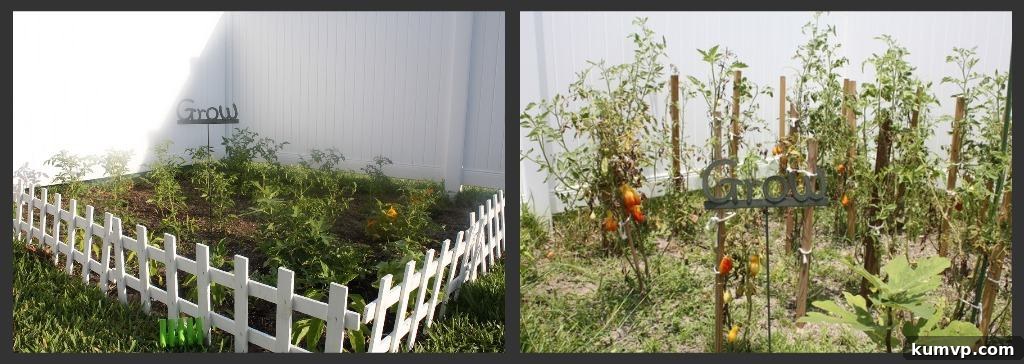
From Brown Thumb to Green Dreams: My Journey to a Thriving Raised Garden Bed
Gardening, for many, is a source of immense joy and satisfaction. For me, it has historically been a rollercoaster of high hopes and crushing disappointments. Over the past few years, my backyard gardening endeavors have been, to put it mildly, a mixed bag. I began with the seemingly simple approach of container gardening, which often yielded modest successes. Emboldened by these small victories, I ambitiously expanded to an in-ground garden, only to be met with relentless challenges. Despite my unwavering love for getting my hands dirty and nurturing plants, the results were consistently underwhelming. This cycle of effort, anticipation, and subsequent frustration created what I affectionately call my “love/hate relationship” with gardening.
(Last year’s garden started nice…then became very, very sad…)
(My container herb & tomato garden…it’s the happier part of my gardening journey)
A New Chapter: Why a Raised Garden Bed?
After two seasons of battling poor soil, aggressive weeds, and general lackluster growth in my in-ground plot, it became abundantly clear that a change was desperately needed. My back ached, my spirit waned, and my harvest was almost non-existent. The turning point came through inspiration from a dear friend, Betsy. She, like me, lives on an average subdivision-sized lot, but last year, she achieved remarkable success with a beautifully constructed raised garden bed. Her vibrant produce and beaming reports of easy maintenance sparked a fresh wave of hope within me.
The concept of a raised garden bed immediately appealed for several compelling reasons. Primarily, it offered the promise of complete soil control. I could finally bid farewell to the compacted, nutrient-deficient dirt that plagued my previous attempts. Secondly, the raised structure presented a formidable barrier against the relentless onslaught of weeds and invasive grass that had choked out my precious plants in the past. It also promised better drainage, which is crucial for healthy root development, and an elevated working height, meaning less bending and straining – a welcome relief for my back. With Betsy’s invaluable guidance and encouragement, I set my sights on the local hardware store, ready to embark on this new gardening adventure.
The Foundation: Selecting the Right Materials and Preparing the Plot
(Initial survey of the backyard space for the new garden)
My first step was to determine the ideal size for my new garden. After careful consideration of my backyard space and desired planting volume, I settled on an 8-foot by 6-foot dimension. This size felt manageable yet spacious enough to grow a diverse array of vegetables. The next crucial decision involved selecting the right wood for the raised bed frame. Initially, I was advised to opt for “treated” wood due to its superior resistance to outdoor elements and decay. However, a quick dive into research, and a helpful chat with a lumber specialist, revealed a critical caveat: conventionally pressure-treated wood is often infused with chemicals that can leach into the soil, potentially contaminating food crops. This was a non-starter for a vegetable garden.
So, what were my safe alternatives? I learned I could either paint untreated wood with a non-toxic sealant, or for a slightly higher initial investment, choose naturally resistant woods like cedar or redwood. Cedar quickly became my preferred choice. While a bit more expensive upfront, I reasoned that the cost was easily offset by avoiding the labor and time involved in painting and sealing untreated wood annually. Furthermore, cedar offers natural durability and rot resistance without any chemical intervention, making it a perfect, safe option for organic gardening. I purchased two 2×8 planks and one 2×12 plank, which a friendly Lowes employee expertly cut in half for me. This particular employee proved to be a treasure trove of information; once I explained my project, he shared that he had helped his grandmother build her garden, providing me with invaluable tips I would have never considered otherwise.
The Heart of the Garden: Cultivating Superior Soil
Having gathered the lumber and, after some amusing indecision at the nail aisle (seriously, there are a million types of nails!), I moved on to what I suspected was the root cause of my past failures: poor soil. My in-ground garden had always struggled, and I was determined that this raised bed would have the best possible start. Back at Lowes, I found my new confidant in the garden department, Mike. After several visits and countless questions (I’m fairly certain he started hiding when he saw me coming), Mike helped me devise the perfect soil strategy. We settled on a blend of 16 bags: half a high-quality vegetable garden mix and half organic cow compost. This combination promised to provide the ideal balance of nutrients, drainage, and aeration essential for thriving plants.
(This was the “Jillian Michaels workout” part of my day…lugging 16, 36-pound bags of dirt from the car to the backyard. I had no time to wait for hubby’s assistance; I wanted to get this project moving!)
Building the Dream: From Lumber to Lush Plot
The construction of the raised bed frame was straightforward, a testament to the simplicity of the design. A little hammering, some careful measuring, and soon, the wooden frame began to take shape.
(A little hammering later…)
(The completed frame, ready for soil.)
(Ta da! We have a garden plot!)
(The raised bed filled with its rich, dark soil mixture.)
With the frame complete and the bags of soil and compost strategically placed, it was time for the “fun” part: mixing. I enlisted the help of my two little ones. It was quite amusing; my son initially showed zero interest until I whispered the magical words, “The dirt is made of cow poop!” His eyes lit up with gross fascination, and he eagerly plunged in, shovel in hand. My daughter, on the other hand, has always been my diligent, enthusiastic helper, showing a natural aptitude for gardening from the start.
(My little helpers mixing the compost and soil with gusto.)
Smart Planting: Embracing the Square Foot Gardening Method
Just as the soil was perfectly blended, a serendipitous conversation changed my planting strategy. Earlier that morning, a school mom had been enthusiastically describing her garden and her success with the square foot gardening method. As she detailed its principles – maximizing yield in small spaces, requiring less water, and simplifying weed control – I was instantly captivated. I quickly sought out the website My Square Foot Garden and used it as my primary reference. While I didn’t adhere strictly to every single step, I adopted its core philosophy to learn about optimal plant spacing and how many seeds or plants could thrive within each square foot.
To implement this, I simply used a stick or shovel to mark out the individual square-foot sections across my raised bed. Then, guided by a detailed plant spacing chart from the website, I meticulously seeded and planted within each box. This methodical approach was a revelation, bringing order and efficiency to my planting. Initially, I found myself forgetting what I had planted where, prompting me to do something completely out of character for my usually spontaneous self: I meticulously drew up a garden chart!
(My hastily but effectively drawn garden chart, mapping out each square foot.)
This chart quickly became indispensable. Since its initial creation, I’ve added spinach, mesclun (mixed greens), and eggplant to occupy the remaining open squares, ensuring every inch of my raised bed is productive.
(My backyard garden on Day 1, freshly planted and full of promise.)
(My backyard garden after Week 1, showing promising signs of growth.)
(These are my enthusiastic zucchini plants, which sprouted from seeds in less than a week! These plants pictured are now two weeks old.)
Nurturing Growth: Early Success and Organic Pest Prevention
The early days were filled with excitement. Seeing the tiny zucchini sprouts emerge in less than a week was incredibly gratifying, a stark contrast to my previous struggles. However, the joy was soon tempered by a familiar foe: insect damage. Within a couple of weeks, I noticed tell-tale holes appearing on some leaves, a sign I knew all too well. I was determined not to let pests undermine my efforts this year.
My latest task involved delving into the world of organic pest control, specifically companion gardening. I had heard whispers of it before but decided to seriously research its principles. The concept is fascinating: certain plants, when grown in close proximity, can mutually benefit each other through natural chemical secretions or by attracting beneficial insects and deterring pests. For instance, I strategically planted basil seeds around some of my tomato plants. Basil is renowned not only for enhancing the flavor of tomatoes but also for its ability to repel pesky mosquitoes and flies. Similarly, marigolds are celebrated garden allies, known to discourage a wide array of damaging insects throughout the garden (source: Seeds of Change). It’s quite remarkable, especially considering my grandfather, a lifelong farmer and gardener, never once mentioned these techniques. I suppose his green thumb was simply innate; I, on the other hand, need all the help and knowledge I can get!
(Newly planted seedlings showing their first true leaves.)
So, in went the marigolds, adding a splash of vibrant color and a layer of natural protection to my budding garden.
(Marigolds nestled among the vegetable plants, standing guard against pests.)
Beyond the Raised Bed: My Thriving Container Garden
It’s worth noting that while my raised bed is my newest pride and joy, my gardening efforts aren’t limited to it. Alongside this ambitious project, I maintain a flourishing container garden, a testament to years of development and refinement. Currently, I have 21 pots brimming with a diverse array of aromatic herbs such as basil, mint, oregano, thyme, flat leaf parsley, cilantro, culantro, chives, and sage. In addition, several pots are dedicated to cultivating an abundant supply of cherry and grape tomatoes. This container herb garden wasn’t built overnight; it has been a continuous work in progress, evolving and expanding over many seasons.
Looking Ahead: A Season of Hope and Harvest
I know many of you might still be contending with lingering winter weather, so I sincerely hope the sight of all this burgeoning green life brings a smile to your face and a hint of spring fever! For those of you in the southern states who are already experiencing spring’s embrace, I’m eager to hear about your own gardening adventures.
Are you planning or have you already started your garden this year? Do you possess that elusive “green thumb,” or are you, like me, learning and adapting along the way, embracing every triumph and challenge? Share your experiences in the comments below!
My greatest hope for this year is to keep you updated with genuinely positive results and, most importantly, a plethora of delicious recipes crafted from the fresh, homegrown vegetables I anticipate harvesting. More than anything, I am genuinely hoping that this carefully planned and lovingly tended garden doesn’t make a fool of me this year. Here’s to a bountiful and joyous gardening season!