Bringing Ancient Grains to Modern Plates A Summer Farro Tabouli Review
While the word “Summer” graces the title of this exquisite dish, let me assure you, this Farro Tabouli is a culinary delight to be savored all year round. In an era where seasonal eating often dictates our menus, certain recipes transcend the calendar, offering timeless nourishment and flavor. This is precisely one of those exceptional dishes—a perfect symphony of textures and tastes that satisfies, whether the sun is high in July or the leaves are turning gold in October. Even as we embrace the cozy comforts of Fall, I find myself drawn to the lingering abundance of late-season produce. Here in Tennessee, I’m still fortunate enough to discover truly exceptional, sun-ripened tomatoes at my local market, and I intend to celebrate their vibrant sweetness until the very last one disappears for the year. This recipe provides an ideal canvas for showcasing such peak-season ingredients, making it a staple in my kitchen, regardless of the month.
My journey into the world of ancient grains was significantly enriched by the wonderful Maria Speck, a virtual friend I had the pleasure of connecting with on Twitter. Maria, truly one of the kindest and most genuine individuals you could ever meet, generously sent me her groundbreaking book, Ancient Grains for Modern Meals, earlier this year. Receiving her book was an absolute thrill, not only for the thoughtful gesture itself but because it perfectly resonated with my burgeoning passion for whole grains. I’m not entirely sure when my fascination with these nutritional powerhouses began, but the more I experiment with them in my cooking, the more confident I become in preparing them, and the deeper my appreciation grows for their immense health benefits and satisfying textures. Maria’s cookbook masterfully encapsulates these very sentiments. Her approach, much like my own, celebrates the incredible goodness of whole grains without advocating for an exclusionary diet – after all, who could ever resist a warm, crusty piece of artisanal baguette or a slice of fresh Italian bread?
Flipping through the pages of Maria’s Ancient Grains for Modern Meals cookbook is an experience that invariably leaves me feeling inspired and, quite frankly, very hungry. Her ingenious recipes demonstrate how effortlessly whole grains can be integrated into our daily culinary repertoire, transforming simple meals into extraordinary dining experiences. I’ve already earmarked numerous recipes to try, including enticing options like the Artichoke-Rosemary Tart with Polenta Crust, delectable Brie Cakes with Sun-Dried Tomatoes, and the irresistible Chewy Almond Butter Bars. What truly sets this book apart is Maria’s remarkable ability to infuse creativity into every dish, making whole grains not just a healthy choice, but an exciting one. And the accompanying photography? It’s utterly gorgeous, each image a work of art that beautifully captures the essence and appeal of her wholesome creations.
Beyond the mouth-watering recipes and stunning visuals, what I truly cherish about Maria’s book are the invaluable tips, practical shortcuts, and sage advice she generously shares throughout its entirety. For anyone who might feel a tad intimidated by the prospect of cooking with lesser-known grains, Maria’s encouraging words serve as a reassuring guide. She demystifies the process, making what might seem like an unfamiliar ingredient feel approachable and exciting. Her insights transform potential kitchen challenges into enjoyable explorations, empowering home cooks to embrace the diverse world of ancient grains with confidence and enthusiasm.
Now, let’s talk about farro, a truly remarkable ancient grain that has captured my culinary affection. My initial encounter with farro occurred last year during a trip to California, where it seemed to feature prominently on restaurant menus across the region. From that moment, I was instantly captivated by this new-to-me whole grain. Farro boasts a distinctive nutty flavor profile and a wonderfully chewy texture that I find incredibly satisfying. This unique combination makes it a versatile ingredient, adding depth and substance to a wide array of dishes. Originating from ancient Mesopotamia, farro is actually a type of wheat, prized for its robust character and nutritional density. It has been a staple in Italian cuisine for centuries, often enjoyed in soups, risottos, and salads, making it a cornerstone of a healthy Mediterranean diet.
Despite my immediate fondness for farro, it took me a little while to finally integrate it into my home cooking. Initially, finding this particular grain in my local area proved to be a bit of a treasure hunt. However, my persistence paid off when I discovered it at The Fresh Market. Encouragingly, I later spotted it in convenient bulk-sized bags at Costco, right alongside other popular ancient grains like quinoa, indicating its growing mainstream availability. This increasing accessibility is fantastic news for anyone looking to incorporate more wholesome, nutritious ingredients into their diet. Farro is an exceptionally versatile grain; it makes an excellent substitute for almost any other grain in salads, offering a more robust and satisfying bite. Beyond salads, it performs beautifully as a hearty filler in dishes such as stuffed peppers, providing a delightful chew and a boost of essential nutrients like fiber, protein, iron, and magnesium. Its ability to absorb flavors also makes it a superb base for pilafs or a welcome addition to warming soups and stews.
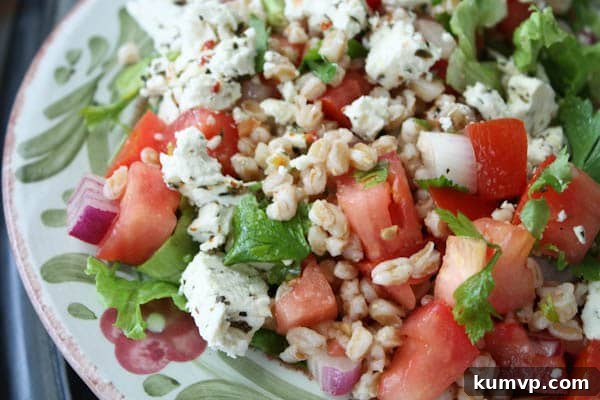
The quest to master farro in my own kitchen found its perfect starting point with the recipe for Summer Tabouli with Farro, thoughtfully included in Maria Speck’s Ancient Grains for Modern Meals cookbook. This particular recipe struck me as precisely what I needed to begin my experimentation. Traditional tabouli, typically made with bulgur, gets a wonderfully hearty and satisfying upgrade with farro, transforming it into a more substantial meal. This recipe is not only incredibly simple to prepare, but it’s also designed for enjoyment over several days, making it an ideal candidate for meal prepping. As Maria wisely suggested, I crowned my portion with a generous sprinkle of feta cheese, specifically the sun-dried tomato variety, which introduced a delightful tang and creamy texture. The result was a perfectly balanced, no-fuss meal that was conveniently ready and waiting for me in the fridge, offering a fresh and healthy option whenever hunger struck. It truly showcased how simple ingredients can come together to create something both nourishing and exceptionally delicious.
Whether you’re looking for a light lunch, a wholesome side dish, or a vibrant contribution to a potluck, this Farro Tabouli is guaranteed to impress. Its fresh flavors and satisfying texture make it a versatile addition to any meal plan. Don’t hesitate to experiment with additional ingredients like crisp cucumbers, fresh mint, olives, or even chickpeas for added protein. Enjoy your upcoming weekend, and perhaps make some time to bring this timeless, healthy, and incredibly flavorful ancient grain salad into your kitchen!
Print Recipe
Summer Tabouli with Farro
Ingredients:
Farro:
- 2 cups of water
- 1 cup farro
- 2-inch sprig rosemary, or 1/2 teaspoon dried (optional)
Tabouli, and to finish:
- 2 cups coarsely chopped tomatoes, (3/4 pound)
- 1 cup loosely packed chopped flat-leaf parsley leaves
- 1/2 cup finely chopped red onion
- 3/4 teaspoon minced hot green chile (optional)
- 3 tablespoons extra-virgin olive oil
- 2 tablespoons freshly squeezed lemon juice
- 1 tablespoon red wine vinegar
- 1/4 teaspoon fine sea salt
- 1/4 teaspoon freshly ground pepper
Directions:
1. To prepare farro, bring the water, farro, and rosemary to a boil in a small heavy-bottomed saucepan. Decrease the heat to maintain a simmer, cover, and cook until the farro is tender but still slightly chewy, 20-25 minutes. Remove the rosemary sprig, drain any remaining liquid, and transfer the farro to a large serving bowl to cool.
2. Once the farro has cooled, assemble the tabouli by adding the tomatoes, parsley, onion, and chile to the serving bowl. In a separate small bowl, whisk together the olive oil, lemon juice, vinegar, salt, and pepper until well combined. Taste and adjust for seasoning as desired.
3. To finish, pour the prepared dressing evenly over the tabouli mixture and toss gently to combine all ingredients. Allow the salad to rest for at least 10 minutes, or longer, to allow the flavors to meld beautifully. Serve at room temperature or chilled.
To get a head start, the farro (as in step 1) can be cooked and cooled ahead of time, making this recipe perfect for meal preparation.
Recipe courtesy of Ancient Grains for Modern Meals Cookbook, Maria Speck
Follow AggiesKitchen on Instagram and share your culinary creations from the blog! Use the hashtag #aggieskitchen – I’d love to see what delicious dishes you are cooking up!