
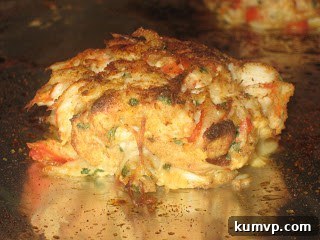
The Ultimate Guide to Authentic Maryland Crab Cakes: From My Kitchen to Yours
Before I met my husband, the world of crab cakes and the culinary delights of blue crab were entirely foreign to me. Growing up, pasta was the cornerstone of our family meals, a comforting staple that graced our table regularly. However, stepping into my husband’s family meant an immersion into a rich tradition where crabs held a revered place, much like pasta did in my own upbringing. This, I quickly learned, is a sentiment deeply rooted in anyone from Baltimore or the wider Maryland area, where crab is not just food, but a way of life, a cultural emblem.
My culinary journey with crabs transformed me into what I proudly call a “crab cake snob.” This transformation was an inevitable consequence of experiencing truly exceptional homemade crab cakes, setting an incredibly high bar. The biggest culinary sin in the world of crab cakes, as I’ve come to understand it, is excessive filler. Sadly, a disheartening number of restaurant crab cakes fall prey to this very flaw, often drowning the delicate crab meat in breadcrumbs or other binders, masking its natural sweetness and texture. It became a source of significant disappointment to spend hard-earned money on a restaurant dish only to be met with a subpar experience.
This frustration fueled my quest to master the art of making crab cakes at home. I sought a reliable, no-fail method that would consistently deliver the quality and flavor my husband and I craved. And I found it. The joy of presenting a plate of perfectly crafted, succulent crab cakes to my husband, seeing his genuine happiness, is incredibly rewarding. While premium crab meat isn’t an everyday grocery item for most due to its cost, it’s a treasured indulgence. When we do decide to treat ourselves, the effort and expense are always, unequivocally, worth it for that unparalleled taste experience.
The Heart of Maryland Cuisine: Embracing Blue Crab
The distinction between different types of crab is crucial, and my culinary explorations have only cemented this truth. In a recent endeavor, I found myself without fish stock, a key ingredient for many seafood dishes. Thanks to a remarkably helpful individual at the fish counter, I decided to embark on a small project: making my own. I purchased some King crab legs, which happened to be on sale, meticulously shelled the meat for future use, and reserved the shells to create a rich, flavorful stock. It was my first time truly encountering King crab legs, and as I nibbled on bits of the sweet meat during the shelling process, I found them quite good.
With a newfound stash of King crab meat and limited time, I impulsively decided to whip up some crab cakes. The result? They were good, certainly enjoyable. However, this experiment only served to underscore an undeniable truth: Blue Crab is vastly superior for the classic Maryland crab cake. The delicate texture, the inherent sweetness, and the unique flavor profile of blue crab are simply unmatched when it comes to creating that iconic dish. While King crab has its place in other culinary applications, for a true Maryland crab cake, blue crab reigns supreme.
Understanding the different types of crab meat available is also essential for success. Lump crab meat, often considered the gold standard, consists of large, beautiful pieces from the body of the crab, perfect for showcasing its texture in dishes like crab cakes. Backfin meat is a combination of broken lump pieces and smaller flakes, offering a good balance of texture and flavor, often used in crab dips or stuffings. Claw meat, darker and more robust in flavor, is excellent for soups and stews. For these crab cakes, while lump or backfin is preferred, any quality blue crab meat will yield delicious results, ensuring the authentic taste Marylanders cherish.
The Quintessential Flavor: Old Bay Seasoning and Beyond
For my crab cakes, I rely on a recipe that has never failed me, one that epitomizes simplicity and authentic flavor. All it requires are a few basic ingredients and, of course, that iconic yellow and blue tin of Old Bay Seasoning. For those unfamiliar, Old Bay is more than just a spice blend; it’s a culinary institution, particularly in the Chesapeake Bay region. Its origins trace back to Baltimore in the late 1930s, created by a German immigrant named Gustav Brunn. This distinctive blend of celery salt, paprika, red pepper, black pepper, and other spices has become synonymous with seafood, especially crabs. It adds a warmth, a subtle spice, and an undeniable “Maryland” character that no other seasoning can replicate. Indeed, the recipe I cherish is conveniently printed right on the side of the Old Bay can itself – a testament to its enduring legacy and perfect pairing with crab.
The “No-Fail” Homemade Crab Cakes Recipe
This recipe is a cornerstone for anyone looking to make authentic, delicious crab cakes at home, free from excessive fillers and bursting with natural crab flavor.
Ingredients:
- 2 slices of white bread, crusts removed (preferably day-old bread for better binding)
- 2 tablespoons mayonnaise (choose a good quality brand for optimal flavor and moisture)
- 2 teaspoons OLD BAY Seasoning (this is the soul of your Maryland crab cake)
- 2 teaspoons dried parsley flakes (for color and a subtle herbaceous note that complements seafood)
- ½ teaspoon prepared yellow mustard (adds a tangy depth and acts as a binder)
- 1 large egg, lightly beaten (the essential binding agent to hold the patties together)
- 1 pound fresh lump or backfin blue crab meat, meticulously picked over for any shell fragments
Instructions:
- Prepare the Bread: Break the bread slices into very small, fine pieces. You can also pulse them briefly in a food processor for finer crumbs. The goal is to create just enough binding without making the crab cakes bready.
- Combine Wet Ingredients & Seasoning: In a medium-sized mixing bowl, thoroughly combine the mayonnaise, OLD BAY Seasoning, parsley flakes, prepared yellow mustard, and the lightly beaten egg. Mix until all ingredients are well incorporated and form a cohesive, flavorful paste. This ensures even distribution of taste throughout your crab cakes.
- Gently Fold in Crab Meat: Add the carefully picked crab meat to the mixture. This step is perhaps the most crucial: stir very gently. Use a light hand, folding the mixture around the crab meat rather than mashing it. The objective is to lightly coat the crab meat with the binding mixture while preserving the integrity of the delicate crab lumps. Overmixing will break down the crab, resulting in a stringy or mushy texture, which is highly undesirable.
- Shape the Patties: With clean hands, carefully shape the mixture into patties. Aim for patties that are approximately 1 inch thick and 2-3 inches in diameter. The recipe typically yields about 4-6 generous crab cakes, depending on your preferred size. Handle them minimally to keep the precious crab lumps intact. For best results and to help them hold their shape during cooking, transfer the formed patties to a plate and chill them in the refrigerator for at least 30 minutes. This firming-up period is a secret to perfectly structured crab cakes.
- Cook to Perfection: You have two excellent, traditional options for cooking your homemade crab cakes, each yielding slightly different but equally delicious results:
- Broiling Method: Preheat your broiler. Line a baking sheet with foil and lightly grease it to prevent sticking. Carefully place the chilled crab cake patties on the prepared baking sheet. Broil for approximately 8-12 minutes, or until the tops are beautifully golden brown and the crab cakes are heated through. Keep a very close eye on them, as broiler temperatures can vary significantly and they can go from golden to burnt quickly.
- Frying Method: Heat a large skillet over medium-high heat. Add a thin layer of oil suitable for frying (such as vegetable, canola, or grapeseed oil). Once the oil is shimmering and hot, carefully place the chilled crab cakes into the pan, ensuring not to overcrowd it. Fry for 3-5 minutes per side, or until each side develops a gorgeous, crispy golden-brown crust and the crab cakes are thoroughly cooked through. Adjust heat as necessary to prevent burning.
- Optional Finish: For an added touch of visual appeal and a hint of extra zest, I always like to sprinkle a little bit of sweet paprika over the finished crab cakes just before serving. This not only enhances their color but also subtly deepens their savory aroma.
Serving Your Delicious Creation: Beyond the Plate
The beauty of homemade crab cakes lies not just in their exquisite taste, but in their versatility when it comes to serving. Traditionally, we enjoy our crab cakes quite simply: accompanied by a few crisp saltine crackers, a dollop of classic yellow mustard for a tangy kick, and fresh lemon wedges to brighten the flavors and cut through the richness. This minimalist approach is often favored as it allows the exquisite taste and delicate texture of the crab to truly shine through, unmasked by overly complex accompaniments.
However, culinary curiosity often leads to delightful variations, and there’s no single “right” way to enjoy these delectable patties. Just last night, embracing a more substantial and comforting presentation, we opted for serving our golden-brown crab cakes nestled in soft, toasted buns, generously slathered with creamy tartar sauce. This transforms them into a gourmet crab cake sandwich, perfect for a casual yet immensely satisfying meal. It’s a fantastic way to enjoy them, especially when you’re looking for something a bit heartier than just the cake itself.
Beyond these classic and sandwich forms, there are numerous other wonderful accompaniments that can elevate your crab cake experience. Consider serving them alongside a fresh, crisp garden salad with a light vinaigrette, a creamy coleslaw, sweet corn on the cob (especially in season), or even roasted asparagus or green beans for a touch of healthy greenery. For those who enjoy a bit more flair, a homemade remoulade sauce, a spicy aioli, or a vibrant mango salsa can offer exciting new flavor profiles that complement the crab without overshadowing its natural goodness. Pairing them with a chilled glass of white wine, like a Sauvignon Blanc or a crisp Pinot Grigio, can also enhance the dining experience beautifully.
Comfort in Cooking: A Rainy Day Retreat
As I write this, we are comfortably hunkered down at home, weathering the persistent rains brought by tropical storm Fay. There’s something uniquely comforting about a rainy day spent indoors, especially when it involves the warmth and aromas of a bustling kitchen. For me, cooking becomes a meditative escape, a source of profound satisfaction and creativity. The rhythmic sound of chopping, the gentle sizzle of the pan, and the gradual melding of flavors provide a soothing contrast to the world outside. It’s an opportunity to slow down, be present, and create something nourishing and delicious for those I love.
My seventeen-month-old, however, finds comfort and excitement in entirely different activities! While I’m deep in culinary thought and focused on my ambitious cooking list, she’s likely embarking on her own grand adventures. This often involves gleefully pushing around my pantry basket, filled with potatoes and onions – a far more thrilling pursuit for a toddler than patiently observing a simmering pot. Thankfully, with Daddy home from work today, I have the perfect opportunity to indulge in an ambitious list of goodies I’ve been eager to prepare. These moments, when the family is together, and the kitchen is filled with activity and delicious scents, are truly precious and form the fabric of cherished family memories.
The experience of making and enjoying these homemade crab cakes goes beyond just a meal; it’s a connection to family traditions, a celebration of regional cuisine, and a testament to the joy of creating something truly special with your own hands. Whether it’s a special occasion, a family gathering, or simply a treat for a rainy day, these crab cakes promise to bring a taste of Maryland’s rich culinary heart into your home. They are a testament to quality ingredients, simple techniques, and the undeniable pleasure of good food shared with loved ones. More culinary adventures and delicious recipes are sure to come later this week!