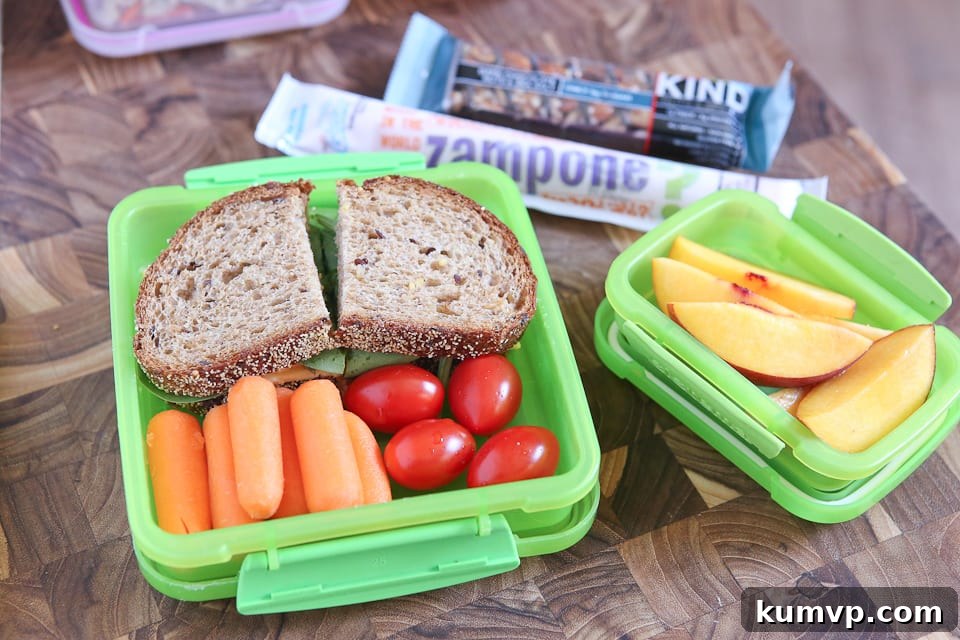
Mastering the art of packing nutritious and appealing school lunches can transform your busy mornings and ensure your children are fueled for learning. Today, we’re excited to share our expert tips for packing better lunches, proudly partnering with Produce For Kids. All opinions expressed are genuinely my own.
Effortless & Nutritious: Your Ultimate Guide to Packing Better School Lunches
As the leaves begin to turn and the scent of crisp autumn air fills our mornings, it’s a clear sign: school is back in session, and with it, the daily ritual of packing lunches. This routine, while sometimes daunting, is incredibly important for ensuring our children have the energy and nutrients they need to thrive throughout their busy school days. I am thrilled to continue my long-standing collaboration with my dear friends at Produce For Kids for their impactful annual Power Your Lunchbox campaign. Their profound mission is to empower families across the nation with innovative ideas, practical tips, and delicious recipes, all designed to help you pack nutritious and exciting lunches for your kids.
The Power of Your Lunchbox and the Impact of Giving Back
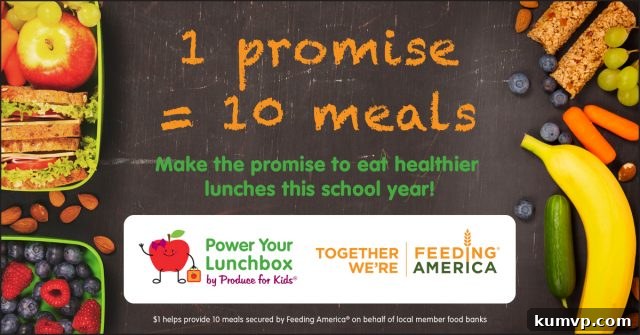
Beyond the valuable resources, the “Power Your Lunchbox” campaign also presents a unique opportunity to make a tangible difference in the lives of others. We sincerely hope you will join us in making the Promise. For every promise made, Produce For Kids and its generous partners commit to donating $1 to Feeding America. This isn’t just a small contribution; it’s a powerful act of kindness. Consider this: each $1 donated provides 10 meals to families in need. That is an incredible impact, transforming simple choices into significant support for communities facing food insecurity.
Our Journey: Why Home-Packed Lunches Win for Our Family
Just this week, my own children embarked on another school year. It feels surreal how quickly time flies, but here we are, officially kicking off a new academic chapter. This year brings a new dynamic to our household, as I now have two energetic middle schoolers and a delightful preschooler. This diverse age range means catering to varied tastes and nutritional needs, making the lunch-packing routine even more central to our daily rhythm.
Having been on this lunch-packing journey for nine years now, I confidently consider myself a seasoned pro. While some families opt for school cafeteria meals, it quickly became apparent that packing lunches was the best solution for us. We initially tried school lunches a couple of times, enticed by the convenience and the fun aspect for the kids. However, the reality often involved long waiting lines, insufficient time to eat, leaving them hungry, and simply not enjoying the menu options. I am a staunch supporter of schools and districts diligently working to enhance their lunch programs – I even attended a fantastic salad bar grand opening at a local high school years ago, which truly impressed me and sparked a wish for such initiatives in all schools. Yet, for our family, the consistent control over ingredients, portion sizes, and meal preferences that home packing offers has proven invaluable. It allows us to ensure our children are eating nourishing meals tailored to their individual needs, fostering healthier habits and avoiding food waste.
Essential Strategies for Stress-Free, Nutritious Lunch Packing
Through years of trial and error, I’ve refined a streamlined approach to lunch packing that prioritizes simplicity and efficiency. My philosophy revolves around keeping things straightforward, empowering my children to help with the process when my schedule gets hectic. This approach not only saves time but also teaches them valuable life skills and encourages healthier eating habits. Here are my top tips for packing better, healthier, and more enjoyable lunches for school:
- Plan a “Lunch of the Week” for Simplicity and Variety
One of the most effective ways to simplify lunch packing is to designate a “lunch of the week.” This strategy minimizes decision fatigue and grocery shopping stress. I typically focus on what’s on sale at the deli (think various lunch meats and cheeses) and pair it with a fresh loaf of sandwich bread, wraps, or rolls from the bakery. Fresh fruits and snackable vegetables from the produce department round out the staples. While sticking to a theme, I ensure variety by rotating sandwich fillings—sometimes it’s classic deli meat, other times it’s a delightful pasta salad or a hearty chicken salad, especially for my daughter and husband. We also love nut butter and fruit sandwich days. Experimenting with different bread types or tortillas keeps things interesting without overcomplicating the process. Remember, variety in presentation and flavor can make a big difference, even with simple ingredients. For endless inspiration, Produce For Kids offers over 70 amazing lunchbox ideas directly on their website.
- Create a Dedicated “Pantry Snack Box” for Easy Access
Empowering children to take ownership of their lunch choices can foster independence and encourage healthy eating. I maintain a special basket in our pantry, affectionately known as the “pantry snack box.” This treasure trove is filled with a rotating selection of grab-and-go items such as pre-portioned trail mix, wholesome granola bars, dried fruit like raisins or fruit leather, savory pretzels, and whole-grain crackers. By presenting these options, kids can actively participate in selecting an item to add to their lunchbox each day. For ultimate convenience, especially on hectic mornings, I often pull a few of these approved snacks and place them in a bowl on the kitchen counter, making them incredibly easy for little hands to grab as they head out the door.
- Maximize Evening Prep: Pack Most of Lunch the Night Before
This tip is a game-changer for reducing morning chaos. While the thought of adding another task to your evening routine might seem daunting, I assure you, you will never regret putting together the bulk of their lunches the night before. My goal is always to get at least the main component, like a sandwich or wrap, assembled and package up all the fruit and vegetable snacks. These prepped items go straight into the fridge, ready to be quickly assembled with any last-minute additions in the morning. I find it most efficient to tackle this task while I’m already in the kitchen preparing dinner. It’s a seamless way to incorporate lunch prep into an existing “work mode,” saving precious time and stress during the busy morning rush.
- Invest in a Diverse Collection of Food Containers
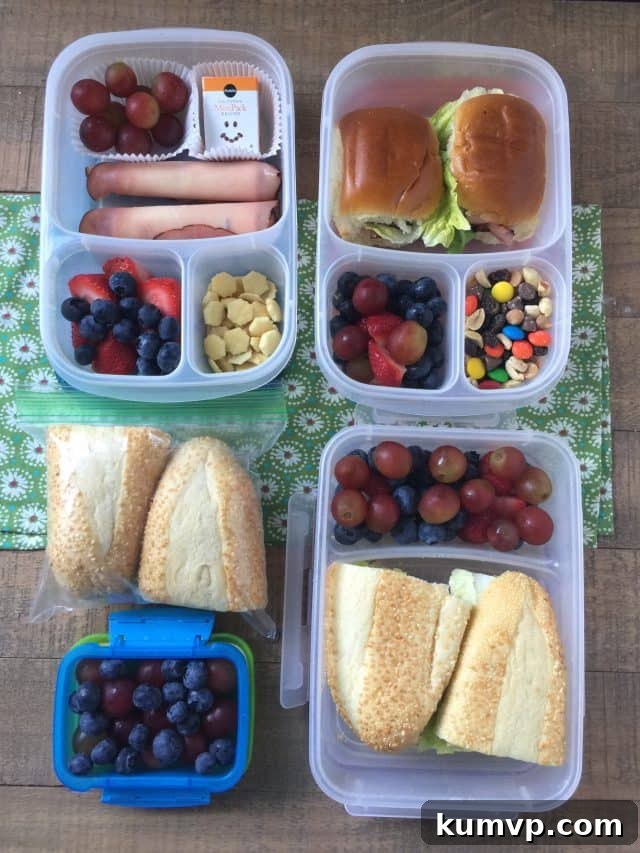
After nine years of packing lunches, I’ve amassed a significant collection of food containers, and let me tell you, having the right tools makes all the difference. A variety of container sizes and shapes is crucial. Small containers are perfect for individual fruit portions, while bowls are ideal for salads, which my daughter particularly enjoys. For my younger children, EasyLunchbox containers have been a fantastic find, making lunch both fun and easy to manage. Using reusable containers significantly cuts down on lunchbox waste, promoting a more eco-friendly approach. While plastic baggies have their occasional use, these durable containers have served us incredibly well over the years, proving to be a worthwhile investment in both convenience and sustainability.
- Designate a “Grab-and-Go” Shelf in Your Refrigerator
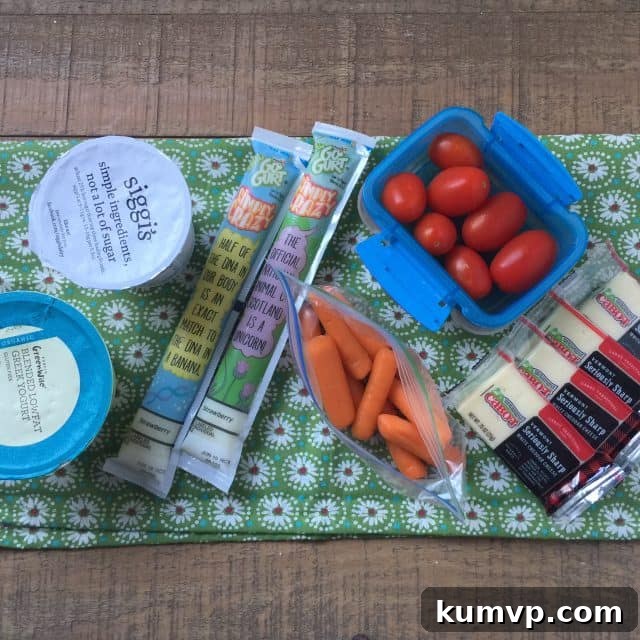
Beyond the pantry, creating a dedicated space in your fridge for grab-and-go snacks is incredibly efficient. I utilize a small drawer adjacent to my deli drawer, which has become the perfect spot for items like individual applesauce pouches, yogurts, cheese sticks, pre-bagged apple slices, or prepped containers of fresh fruit like grapes. These small Sistema containers are particularly excellent for fruit snacks. This accessible setup allows kids to easily grab a healthy item to complete their lunchbox or to enjoy as a quick, nutritious snack after school. It simplifies the morning routine and ensures healthy options are always within reach.
Fueling Success: Easy & Appealing Fruit and Veggie Snacks
Incorporating a variety of fruits and vegetables is paramount for a balanced lunch. These options are not only packed with essential vitamins and fiber but are also easy to prepare and appealing to most children. Here are some of our family’s favorite go-to fruit and veggie snacks:
- Grape Tomatoes: Small, sweet, and perfectly pop-able, they’re a colorful addition.
- Sliced Seedless Cucumber: Refreshing and crunchy, excellent with a side of Ranch dressing or hummus.
- Baby Carrots: A classic for a reason – easy to eat and full of nutrients.
- Grapes: Sweet and hydrating, perfect for tiny hands. For an extra treat, freeze them!
- Clementines: Easy to peel and bursting with Vitamin C, ideal for lunchboxes.
- Apple Slices: A timeless favorite. Dip in a little lemon juice to prevent browning.
- Small Pears or Apples: Whole fruits are convenient and satisfying.
- Mixed Berries: A colorful medley of strawberries, blueberries, and raspberries offers a burst of antioxidants.
- Cut Melon: Watermelon, cantaloupe, or honeydew cut into bite-sized pieces are refreshing.
- Applesauce: A convenient and universally loved fruit option, especially in pouches.
- Dried Fruit: Raisins, cranberries, or apricot halves offer concentrated nutrients and a sweet chew.
The Right Tools: Our Favorite Lunchbox Essentials
Having the right gear can significantly streamline the lunch-packing process and make meals more enjoyable for your kids. After years of testing various products, these are my absolute favorites:
- Sistema Containers: These versatile containers are a staple in our kitchen. I’ve often found fantastic deals on them at Home Goods, so definitely check there first! Sistema offers an incredible range of shapes and sizes, perfect for everything from sandwiches to salads, and their secure clips mean no leaks.
- EasyLunchboxes: I distinctly remember when EasyLunchboxes first launched years ago, and I recently rediscovered their brilliance last summer. They are widely available online and I’ve even seen them stocked at Target. My preschooler particularly adores these boxes, finding them considerably easier to open than some other brands, which is a huge win for promoting independence at lunchtime.
- Silicone Baking Cups: These seemingly simple items are lunchbox heroes! They are perfect for creating custom dividers within larger containers, keeping different food items (like crackers, cut cheese, nuts, or even fruit segments) separate and neat. While I’ve used paper liners in a pinch, I’m transitioning to silicone ones for their durability and reusability, making them a more sustainable choice. For special occasions or holidays, themed paper liners can add a festive touch!
- Bento Box Food Picks: When my children were younger, these tiny, adorable food picks were an absolute hit. I’m excited to reintroduce them because my kids genuinely loved discovering these fun little surprises in their lunch boxes. They transform ordinary food into something special and can encourage picky eaters to try new things.
- Lunchbox Notes: A heartfelt note tucked into a lunchbox can brighten a child’s entire day. Years ago, I found a delightful pack of Dr. Seuss lunchbox notes at Hallmark, and they became a cherished tradition. These small gestures offer a burst of encouragement or a sweet message, reminding your kids that you’re thinking of them. If you’re looking for inspiration, I highly recommend checking out this amazing post featuring 500 Free Printable Lunchbox Notes with countless creative ideas.
Beyond the Basics: Advanced Lunchbox Pro Tips
Taking your lunch packing game to the next level involves a few more thoughtful considerations:
- Involve Your Children in the Process: From helping choose the “lunch of the week” to washing fruits and vegetables or even assembling simple sandwiches, involving kids fosters a sense of ownership and can make them more likely to eat what’s packed.
- Think Outside the Sandwich Box: While sandwiches are convenient, don’t limit your options. Consider pasta salads, deconstructed tacos, hard-boiled eggs with cheese and crackers, yogurt parfaits, or even mini skewers with chicken and veggies. Leftovers from dinner can also make fantastic lunches!
- Smart Use of Leftovers: A little extra pasta, rice, or roasted vegetables from dinner can be easily transformed into a delicious and nutritious lunch the next day. This is a huge time-saver and reduces food waste.
- Prioritize Food Safety: Always use an insulated lunch bag with an ice pack to keep perishable foods, like dairy, meats, and certain fruits and vegetables, at a safe temperature until lunchtime. Remind kids to wash their hands before eating.
- Add a Touch of Fun: Presentation matters, especially for younger children. Using cookie cutters to shape sandwiches or cheese, creating colorful combinations, and including fun picks can make healthy food more appealing and exciting.
Conclusion: Make the Promise for a Healthier Future
Packing school lunches doesn’t have to be a daily struggle. With a little planning, the right tools, and a creative mindset, you can provide your children with delicious, nutritious meals that fuel their learning and growth. Remember, every healthy lunch you pack is an investment in their well-being. We extend our heartfelt thanks for supporting Produce For Kids and the invaluable Power Your Lunchbox campaign. Your participation not only helps empower families with healthy eating habits but also contributes directly to combating hunger through Feeding America. Please, take a moment to make the Promise today!
(Disclosure: This post was written in partnership with Produce For Kids. I received compensation to help spread the word about the #PowerYourLunchbox campaign. Please note that this post contains Amazon affiliate links. I may earn a small commission from any purchases made through these links, which helps support the content I create. Thank you for supporting Aggie’s Kitchen and our mission to promote healthy eating!)